Kate Donovan


Last update on 2026-09-28 at 08:31 / Affiliate links / Images from Amazon Product Advertising API
Surprising fact: in 2025, home users faced a 37% jump in attempted breaches, so picking the right protection matters more than ever.
Think of modern security like pool care: you need a steady filter (real-time protection), test strips (regular scans), and a cleanup routine (extras like password managers and identity monitoring).
We tested top suites in 2026 and found Bitdefender leads overall, while McAfee is the best for unlimited devices.
In this roundup, you’ll get quick “at a glance” picks first, then deeper breakdowns that explain who each tool fits, what trade-offs to expect, and what to check before you buy.
We focus on full security suites, not just one-off tools, and call out US-specific issues like identity tools, insurance limits, and renewal quirks.
Bottom line: the best antivirus is the one you keep running because it protects your devices without slowing them down.
Best antivirus software of 2026 at a glance
Quick shopping list: pick the right tool for your household, budget, or privacy needs without reading every review.
Top overall pick for malware protection and security suites
Bitdefender — best for balanced protection and light system impact. Why it won: strong lab scores and practical extras make it the easiest long-term choice for most homes.
Best for unlimited devices
McAfee — ideal for big households with many phones and PCs. Why it won: true unlimited-device plans and US-focused identity tools, though unlimited often hides higher renewal pricing.
Best for beginners who want simple virus protection
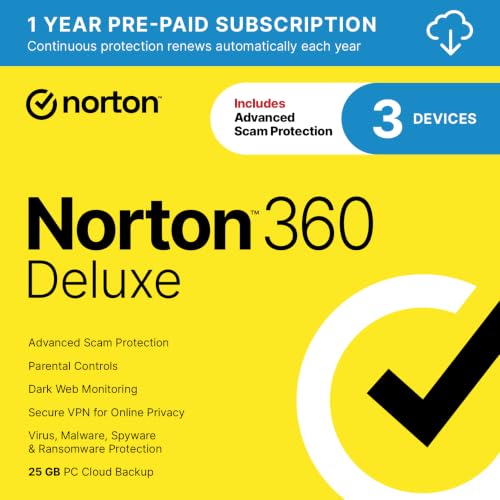
Norton — great for first-time buyers who want a friendly setup and clear defaults. Why it won: easy onboarding and lightweight scans, with optional LifeLock bundles (US-only features on some tiers).
Best budget-friendly antivirus apps for everyday security
AVG — a solid pick for tight budgets who still want safe browsing and basic defenses. Why it won: low cost and efficient performance, but limited identity services.
Best privacy-first antivirus program
Malwarebytes — built for users who care about data handling and a no-logs VPN. Why it won: strong privacy posture and minimal telemetry, though lab results vary.
- Deal-breakers to watch: device limits, VPN speed, long full scans, and support headaches.
- Note: identity monitoring and restoration services are often US-only on higher tiers.
- Tip: compare renewal pricing for unlimited plans — intro deals can hide higher long-term costs.
| Pick | Best for | Key trade-off |
|---|---|---|
| Bitdefender | All-around protection | 5-device cap on some plans |
| McAfee | Large households | Heavier scans, VPN slowdowns |
| Malwarebytes | Privacy-first shoppers | Mixed lab scores |
Next up: we explain why protection still matters in 2026 and how our hands-on testing backs these picks, so you can trust the recommendations.
Why antivirus protection still matters in 2026
In 2026, threats hide in plain sight—on links, downloads, and even friendly-looking emails.
How malware can steal data, lock devices, and disrupt your life
Malicious programs don’t just break things. They copy logins, grab bank info, and lift tax files or family photos. That kind of data loss feels personal — not technical.
Ransomware behaves like someone changing your door locks. You lose access to files, waste time, and may still not recover everything if you pay. Credential theft is like copying a spare key; attackers sneak back later.
What modern tools block beyond viruses
Today’s antivirus covers more than classic viruses. Expect anti-malware engines, web and phishing protection, malicious URL blocking, scam detection, and sometimes identity monitoring.
No tool is perfect. You want layered defenses: safe browsing habits, real-time protection, and reliable backups. Saying “I’m careful online” helps, but social engineering and fake sites fool many people.
- You’re buying fewer headaches and faster recovery, not just fear.
- Look for suites that block malicious links, scan downloads, and flag phishing attempts.
How we evaluate antivirus companies and test antivirus claims
We test protection the way you’d test a daily driver: install it, use it, and watch whether it stays out of your way while blocking threats in real time.
Hands-on testing focus
Our hands-on checks cover usability, performance, and live protection. We look at install cleanliness, scan speed, CPU impact, and pop-up noise.
Does the interface make settings easy to find? Does real-time protection catch threats during normal web browsing and downloads? Those are deal-makers for everyday use.
Independent lab signals
AV-Test and AV-Comparatives give repeatable scores that act like inspection stickers. Bitdefender, McAfee, Norton, and AVG earned strong marks in recent tests.
Why labs and real life can differ
Labs use different malware sets, timing, and classification rules. Cloud lookups and update timing also change outcomes. That’s why two tests can show different scores for the same product.
- We combine independent testing with daily-driver checks so you get both validation and real-world usability.
- Remember: your browsing habits affect which product fits you best.
What to look for in Antivirus Software before you buy
Shopping for protection? Start with the basics and skip the shiny extras until you compare core features.
Malware detection and ransomware protection
Malware detection is the baseline: it should catch threats before they run. Look for high lab scores and real-world blocking.
Ransomware protection matters next. That layer should stop harmful code from encrypting your files, not just try to remove it after damage.
Real-time protection vs on-demand scans
Real-time protection acts like a lifeguard — it watches traffic and blocks suspicious downloads. Scans are the periodic checks that find hidden items.
Both are necessary: real-time for daily use, scheduled scans for deep cleanup.
Coverage across devices
Make sure the plan supports your mix: windows PCs, Macs, iPhones, and Android tablets. Some features vary by OS—firewalls or performance tools may be limited on Mac.
Privacy policies and data use
Read what data the vendor collects, who it shares with, and retention rules. If privacy matters, pick a program with minimal telemetry and clear US-based handling.
Extras that actually help
Prioritize a strong password manager, parental controls, and reliable backups. These features reduce risk and speed recovery if ransomware hits.
- Buying checklist: malware detection, ransomware safeguard, real-time protection, device coverage, privacy terms, and essential extras.
| Need | Must-have | Why it matters |
|---|---|---|
| Daily use | Real-time protection | Stops threats while you browse |
| Family | Parental controls + backups | Protects kids and recovers files |
| Privacy-focused | Minimal data collection | Limits sharing and exposure |
Best overall: Bitdefender antivirus for all-around protection
For a balance of strong lab marks and light system impact, Bitdefender is our top pick for most households.
Why we like it: Bitdefender earned top scores in AV-Test and AV-Comparatives and performed smoothly in hands-on checks. You’ll notice minimal slowdowns during everyday tasks. That low drag makes it feel like a good pool filter—working constantly without stealing performance.
Standout tools
The digital footprint visualization is a practical win: it maps where your personal info appears online and offers removal-request buttons. Email protection blocks threats in local apps like Outlook, and webcam protection keeps prying apps out of your camera. Autopilot mode reduces prompts so you can set it and forget it.
Limits to know
Plans cap devices at five on many tiers, which can be limiting for large homes. The bundled VPN slowed connections in our tests, so expect reduced speeds for streaming or large uploads. Mac users should note that firewall and performance utilities are limited on macOS.
Pricing snapshot
| Plan | First year | Renewal |
|---|---|---|
| Single-device | $30 | $70 |
| Total Security | $50 | $110 |
| Ultimate Security | $80 | $160 |
| Ultimate Security Plus | $100 | $190 |
- Quick take: excellent malware protection and light performance impact, useful privacy tools, but device limits and a slow VPN are real trade-offs.
Best for lots of devices: McAfee antivirus with unlimited coverage
For big families, a single subscription that protects every phone and laptop removes a lot of guesswork. McAfee stands out because most plans cover unlimited devices, which often costs less than a five-device plan from rivals.
Why we like it
Easy-to-use protection with solid lab marks from AV-Test and AV-Comparatives. The interface is straightforward, so you can roll out protection across many devices without juggling accounts.
Standout tools
- Online Account Manager — finds old accounts tied to your email and helps you close them, like cleaning out a cluttered closet.
- Personal Data Cleanup and Social Privacy Manager — reduce your exposed footprint online.
- Text scam detector — flags suspicious SMS and modern frauds that don’t arrive by email.
Trade-offs
Deep scans can take a long time and the system CPU use may spike to 50–60%. The bundled VPN often slows connections, so expect reduced speeds for streaming or large transfers.
Also note the vendor’s privacy policy allows broader third-party sharing. If minimal data collection matters to you, a more privacy-first vendor might be a better fit.
- Price snapshot: Basic ~$30/$90 renewal; Plus Premium ~$50/$150; Ultimate ~$200/$280 with identity and ransomware coverage.
- Bottom line: excellent choice for households with many devices who want centralized, straightforward protection.
Best for simplicity: Norton antivirus and Norton LifeLock bundles
If you want protection that installs fast and stays out of your way, Norton fits the bill.
Why we like it: Norton offers a guided setup and lightweight active scans that used about 1–2% CPU in hands-on testing. That low impact keeps your PC responsive so you can work without interruptions.
Unique differentiator
Encrypted cloud backups are a standout. Plans include from 2GB up to 250GB, which covers tax docs, school files, and key photos. Think of backups as a second drain: if ransomware locks files or a laptop dies, you have a safe copy.
Where it falls short
Norton has strong lab marks, password manager, safe search, and a safer browser. But it offers fewer tools for mapping and cleaning your online footprint compared with some rivals.
Support can be slow to reach a human. And while the bundled VPN beats many rivals on latency, expect weaker speeds on distant servers.
Pricing snapshot
| Plan | First year | Renewal / Devices |
|---|---|---|
| Norton Antivirus | $30 | $60 / 1 device |
| Norton 360 Deluxe | $50 | $120 / 5 devices (includes 50GB backup) |
| 360 with LifeLock Select | $100 | $190 / 10 devices (includes 250GB backup + identity tools) |
- Quick pick: the easy starter kit for users who want guided protection and low background impact.
- Choose Deluxe if you need multi-device backup. Pick LifeLock if you want US-focused identity monitoring and reimbursement options.
Best affordable pick: AVG Internet Security for everyday malware protection
If you want solid everyday protection without a big bill, AVG hits a useful balance. It delivers fast, efficient scans and low resource use similar to Norton, so your PC stays responsive during routine tasks.
Why we like it:
Efficient performance and useful browsing tools
AVG earned consistently high marks in AV-Test. Its Web Shield, secure browser, and extensions stop risky downloads before they reach your device. That practical blocking saves time and hassle.
AntiTrack helps cut tracking—think of it as telling websites, “please stop following me around the store.” It won’t hide every ad, but it reduces targeted tracking.
What’s missing
AVG lacks dark web monitoring, online account cleanup, and identity theft protection/insurance. If you want full online-presence management after a breach, this suite isn’t the best fit.
Concerns to consider
Customer service can be slow and frustrating. Privacy reputation also matters: AVG’s connection to Avast and past FTC findings over data sales raise valid questions about data handling.
Bundled VPN speeds are weak—don’t pick this plan just for a fast VPN.
- Positioning: a sensible everyday option when your budget is tight but you still want reputable malware protection and web defenses.
- Pricing snapshot: Single device — $40 first year / $78 renewal. 10 devices — $60 first year / $100 renewal.
| Need | AVG fit | Why it matters |
|---|---|---|
| Basic home protection | Good | Efficient scans and web blocking |
| Identity tools | Poor | No dark web or insurance features |
| VPN needs | Weak | Poor bundled performance — consider a standalone VPN |
Best for privacy: Malwarebytes antivirus with a no-logs VPN approach
If privacy feels like the main feature you want, this pick treats your data like something to guard, not sell. Malwarebytes centers on minimal collection and clear third-party rules, so your usage leaves little that can be tied back to you.
Why we like it
Strong privacy posture is the standout. The bundled vpn uses RAM-only, diskless servers so there’s nothing useful to store about your sessions. That means less risk if a provider is ever pressured to hand over logs.
Scans run fast in everyday use: routine checks took about five minutes in our hands-on tests, and deep scans averaged near 40 minutes. That speed makes quick checks part of your daily routine, not a weekend chore.
Best features
- Browser Guard — blocks risky pages and malicious downloads in real time.
- Dark web scanning — alerts you when your emails or accounts appear in breaches.
- PC security toolbelt — a free Windows suite to tweak startup apps, repair common issues, and customize the firewall.
Potential drawbacks
Independent testing results vary: labs show mixed outcomes, so this isn’t the unquestioned top scorer in every report. The interface can feel hidden and technical — scheduling and presets aren’t obvious.
| Feature | Why it matters | Trade-off |
|---|---|---|
| Privacy & VPN | No-logs, RAM-only servers | Fewer extras than some rivals |
| Scan speed | Fast daily scans | Deep scans still take time |
| Extras | Browser Guard + dark web alerts | Support can be slow to reach |
Bottom line: pick this antivirus program if you hate the idea of your protection turning into a data collector. It’s ideal when privacy and clear data practices beat having the highest lab marks.
Antivirus protection by device type and operating system
Match your protection to the devices you actually use—what works for a Windows desktop isn’t always right for an iPad.
Windows PCs: balancing detection scores with system performance
On a Windows machine you want strong detection, but not at the cost of usability.
If protection drags your computer, you may disable it—so aim for a light footprint. Bitdefender and Norton tend to feel lighter in daily use, while some suites (notably certain McAfee scans) can spike CPU and slow tasks.
Macs: where security suites can be limited by platform features
Macs aren’t immune, but macOS limits some third-party tools.
Examples: firewalls and deep performance utilities may be unavailable on Mac builds, so vendors focus on web and phishing defense instead.
Mobile devices: when antivirus apps help and when they don’t
Mobile devices benefit from phishing protection and risky download checks, but they don’t need the same engine as a desktop.
Many Americans rely on built-in options like Microsoft Defender or Apple XProtect for baseline defense. Third-party antivirus apps add web shields and privacy tools—use them if you download lots of unknown apps or click links often.
- Student laptop + phone: prioritize light performance and web protection.
- Family iPads: focus on parental controls and backups.
- Home office PC: pick strong detection plus reliable backups.
| Scenario | Key need | Good fit |
|---|---|---|
| Older Windows PC | Low performance impact | Bitdefender / Norton |
| Many devices | Central management | McAfee |
| Privacy-focused user | Minimal data collection | Malwarebytes |
Bottom line: match what you own to the feature set. Pick lighter suites for older machines, and choose apps that add real protection on phones.
Built-in options vs third-party security software
A free guard that comes with Windows covers a lot of common threats—yet gaps remain for many households.
Microsoft Defender in 2026: what it does well for free
Microsoft Defender now earns top lab marks and offers real-time protection, automatic updates, and built-in phishing blocks. For many Windows users, it removes most common threats with little fuss.
It’s a solid, no-cost baseline that won’t slow your computer much. If you use standard browsing habits and avoid risky downloads, Defender can be enough.
When paid antivirus programs are worth it for US users
Paid plans add things Defender usually won’t: identity monitoring, dark-web alerts, full backups, parental controls, password managers, and quick human support. Those extras matter more in the US where identity restoration and insurance are common.
- Choose paid if you shop online often, work remotely, manage kids’ devices, or help older relatives.
- Stick with free if you keep software updated, use strong passwords, and have clean browsing habits.
| Need | Built-in | Paid plan |
|---|---|---|
| Basic protection | Good | Better tooling |
| Identity & restoration | None | Often included (US) |
| Family management | Limited | Full parental controls |
Bottom line: free protection saves money but can cost time if recovery is messy. If convenience, identity cover, or multi-device management matters, a paid program is worth considering.
VPN bundles in antivirus programs: what to expect in 2026
Bundled VPNs are handy, but they’re usually a bonus—not the main feature.
Many security suites include a basic vpn to add privacy and secure public Wi‑Fi. In our tests, Bitdefender, McAfee, Norton, and AVG showed weaker speeds and higher latency. Malwarebytes’ vpn performed noticeably better than most bundled options.
Why built-in VPN performance often lags
Bundled vpns share server networks and limited optimization. Vendors prioritize core protection and extras, so vpn routing, server count, and throughput get less investment.
Integration inside a larger program also adds overhead. That can translate to slower streaming, choppy video calls, and longer downloads.
When a separate VPN tool makes more sense
If you use a vpn daily for streaming, gaming, or connecting to distant servers, a dedicated provider like ExpressVPN or another top-tier service usually gives far better performance and reliability.
- Good enough: quick coffee-shop Wi‑Fi, occasional travel, or light web privacy.
- Buy separate if: you need consistent speed, many international endpoints, or low-latency gaming.
Money tip: don’t overpay for a plan mainly because it includes a vpn you’ll switch off. The best deal is the one you’ll actually use every day.
| Scenario | Bundled VPN | Dedicated VPN |
|---|---|---|
| Occasional use (travel, coffee shop) | Convenient, adequate | Overkill |
| Streaming & gaming | Often slow or unstable | High speed, low latency |
| Privacy-focused daily use | Limited servers, mixed logs | Stronger privacy policies, faster |
| Best brand notes | Bitdefender / McAfee / Norton / AVG: weak | Malwarebytes: better | ExpressVPN and similar: recommended for performance |
Key features that separate basic virus protection from full security suites
Good protection now does more than stop a single infection—it manages passwords, kids’ browsing, and your digital ID.
Password managers and safer sign-ins across devices
Password manager tools store unique logins so you stop reusing passwords. That simple step blocks many account takeovers without added hassle.
Bitdefender, McAfee, and Norton bundle vaults that sync across phones and PCs. Use one and you’ll spend less time on password resets.
Parental controls for family protection
Real parental controls go beyond blocking sites. Expect screen-time limits, content filters, and safer browsing for kids’ devices.
These features let parents set schedules, review activity, and pause access—useful for homework routines or bedtime.
Identity monitoring, dark web alerts, and restoration services in the US
Dark web scanning and identity monitoring act like an early leak detector. They alert you when emails or personal data appear in breaches.
Restoration services and insurance are often US-only. Read the fine print: coverage limits and claim requirements vary by vendor.
- Match features to needs: solo users may want just a vault and backup; families need parental controls and identity tools.
- The best security suites reduce risk and your workload—pick the one you’ll actually keep running.
| Feature | Common in | Why it matters |
|---|---|---|
| Password vault | Bitdefender / McAfee / Norton | Stops reused passwords |
| Parental controls | Bitdefender / Norton | Manages screen time and content |
| Identity monitoring | McAfee / Norton / Malwarebytes | Early alerts + US restoration |
Performance and usability: choosing an antivirus program that won’t slow your computer
Performance matters: a protection program that drags your machine gets turned off fast. You want a tool that defends in the background and leaves you free to work, game, or edit photos.
Scan speed, CPU impact, and older PCs
Real numbers help: Norton used about 1–2% CPU in our tests, while McAfee deep scans spiked to roughly 50–60% CPU and ran longer. Malwarebytes does quick routine checks (~5 minutes) and slower deep scans (~40 minutes). Bitdefender proved light on resources in daily use.
On older systems, heavy scans cause lag and heat. Pick a lighter product and reduce background tasks. That keeps your system responsive and avoids throttling or surprise shutdowns.
Scheduling scans without disrupting work or play
Try overnight full scans if you leave devices on. If you shut down nightly, schedule scans for lunch breaks or while you step away. Real-time protection handles most threats, so full scans can be less frequent for low-risk users.
- Keep routine scans daily or every few days; full deep scans weekly or monthly depending on risk.
- Run a brief trial: install the program, run a scan, and confirm your computer stays responsive before you buy long-term plans.
| Need | Light impact | Heavier impact |
|---|---|---|
| Everyday work | Bitdefender / Norton | McAfee (during deep scans) |
| Quick checks | Malwarebytes (fast scans) | McAfee (long full scans) |
| Older PCs | Choose light suites & smart scheduling | Avoid constant deep scans during use |
Bottom line: treat performance as a core buying feature. A protection program that stays on and unobtrusive protects you best.
Pricing, renewals, and value: how to compare the best antivirus software
Intro deals look great on checkout pages, but year two tells the real story.
Compare first-year pricing and renewal costs. Many plans cut the first year—Bitdefender Total Security is $50 first year/$110 renewal, Norton 360 Deluxe $50/$120, and AVG 10 devices $60/$100. Always check the second-year price before you buy.
Device limits and unlimited plans
Count your phones, tablets, and PCs. A five-device plan can be cheaper short-term, but if you have 12 devices, an unlimited McAfee plan ($50 first year/$150 renewal on higher tiers) may be better value.
Upgrade pressure and bundled extras
Vendors hide key features—identity monitoring, higher backup caps, or cleanup tools—behind premium tiers. That upsell pressure can double your bill.
- Quick value check: cost per protected device + replacement cost of extras (password manager, backup, identity recovery).
- Free antivirus can be fine for low-risk users, but paid plans add ransomware shields, identity alerts, and support.
| Example | First year | Renewal |
|---|---|---|
| Bitdefender Total Security | $50 | $110 |
| Norton 360 Deluxe | $50 | $120 |
| AVG (10 devices) | $60 | $100 |
Bottom line: price per year, devices covered, and which extras you’ll actually use determine real value. Pick the plan you’ll happily renew.
How to pick the right antivirus software for your needs
Decide what you can’t live without: unlimited device coverage, strong privacy, or built-in backups. That single choice narrows your options fast and makes the buying decision simple.
If you want the best overall protection suite
Best fit: Bitdefender. It balances high lab scores, light system impact, and practical extras.
Avoid if you need more than five devices—some plans cap coverage.
If you have a lot of devices in one household
Best fit: McAfee. Unlimited-device plans often save money for big families and simplify management.
Avoid if you have an older PC that can’t handle long, heavy scans without lag.
If privacy is your top priority
Best fit: Malwarebytes. Minimal data collection and a RAM-only VPN keep your sessions private.
Avoid if you want the absolute highest lab scores—privacy-first vendors sometimes trade extras for data restraint.
If you need backups, identity tools, or kid-friendly controls
Best fit: Norton. Encrypted cloud backups and parental controls make recovery and family management simpler, and identity services help US customers more.
Avoid plans that bundle slow VPNs if fast streaming matters to you.
- Quick checklist: match protection to your device count, pick privacy posture if data sharing worries you, and choose backups/identity for family peace of mind.
- Final reminder: whichever option you choose, keep the product updated and leave real-time protection turned on.
| Priority | Recommended pick | Why it fits | Avoid if |
|---|---|---|---|
| All-around protection | Bitdefender | Strong detection + light impact | Need >5 devices |
| Many devices | McAfee | Unlimited coverage, easy management | Older PCs sensitive to deep scans |
| Privacy-first | Malwarebytes | No-logs approach, RAM-only VPN | Want max lab-score extras |
| Backups & family tools | Norton | Encrypted backups + parental controls | Expect a fast bundled VPN |
Final Thoughts On Best Antivirus Software of 2026
Bottom line: install a single trusted antivirus program across the devices you use and keep it active. That single guard will prevent, detect, and remove many common malware threats while blocking risky links and phishing pages.
Quick recap: Bitdefender is our best overall pick, McAfee wins for unlimited-device homes, Norton is easiest for beginners, AVG is the budget choice, and Malwarebytes is the privacy-first option.
Think of this as an always-on filter, not a one-time cleanup. Real-time protection, good passwords, safe browsing, and backups work together to reduce risk.
Shop smart: compare renewal costs, count devices, and verify whether identity and restoration services are included for US customers before you buy.
Next step: pick one option, install it on every device you use, and schedule scans for times that won’t disrupt your day. The right protection doesn’t cause fear — it gives you confidence.