Kate Donovan


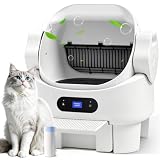
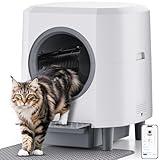


Last update on 2026-09-19 at 12:01 / Affiliate links / Images from Amazon Product Advertising API
Fizzy Offers tested 23 models in a New York lab and in homes, and the Whisker Litter‑Robot 4 beat its predecessor with a wider entrance, smaller footprint, and much quieter operation.
We set expectations for what an automatic litter box really means in 2026. Some parts still need regular cleaning and emptying. We also note which sensors and app features truly help daily life.
Our selection process favored reliability, safety, odor control, and real‑world usability. We prioritized models that stop predictably when a cat approaches and that handle waste without frequent jams.
Best Automatic Litter Box Deals And Coupon Codes


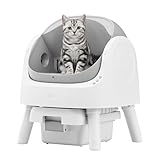
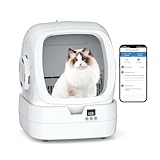

Last update on 2026-09-19 at 06:54 / Affiliate links / Images from Amazon Product Advertising API
Who benefits most? Busy households, multi‑cat homes, and caregivers who want fewer chores. Who might wait? People with very tight spaces or cats that resist change.
We’ll preview the top pick and then compare each litter box by the same criteria: entry height, interior size, waste handling, and whether the app improves—or complicates—ownership.
Read on to jump to top picks or use the buying guide to match a box to your home and your cat.
Best Automatic Litter Boxes for Every Home and Cat in 2026
We grouped our top picks to match common homes and cat needs. Below is a quick map to help you pick by space, size, and daily habits.
- Top pick for most households: Whisker Litter-Robot 4 — consistent cleaning cycles, low odor control, and a manageable footprint.
- Best for big cats: Neakasa M1 — supports up to 33 pounds and has a wide opening and roomy interior so the cat can turn comfortably.
- Best for multi-cat odor control: PetSnowy SNOW+ — sealed waste bag system and strong containment for shared rooms.
- Best for small spaces: Choose lower-profile globe or raking designs; plan clearance behind and to the side for service access.
- Best for senior cats and cats mobility issues: Look for low entry, shallow step depth, and minimal jump requirements to reduce tracking and stress.
What we mean by “most households”: reliable cycles, predictable waste bin access, minimal mess, and an error‑resistant sensor system. That combination favors owners who want fewer chores without sacrificing safety.
Big cats need more than a high weight rating. Opening width, stable entry, and interior size that’s big enough to turn are essential. Multi-cat odor control depends more on sealed waste containment than filters alone.
How We Tested Self-Cleaning Litter Box Models in Real Homes
We ran a two-part test that pairs lab simulations with real-home trials to see how each model performs day to day.
Lab-style performance checks used wet modeling compound “poops” to mimic real waste. We tested 23 models in a controlled New York lab. That let us measure clump handling, cycle timing, and residue left after a pass.
Controlled simulations and metrics
In the lab we recorded whether a cleaning cycle completed its sift or rake and if sensors stopped the run when a cat approached. We timed cycles and noted jams or error codes.
At-home testing with multiple cats
We set up several models side-by-side in real homes. Families ran normal routines for weeks. We watched if the box scared cats, woke light sleepers, or changed usage patterns.
What we measured
- Odor: scored in living rooms and kitchens, checking how fast smell built when a waste drawer or waste bin wasn’t sealed.
- Noise: measured during cycles and at night to judge nuisance levels.
- Litter tracking: tracked where scatter occurred when cats exited and whether design reduced mess.
- Cleaning cycle reliability: verified stops on approach, full clears, and resistance to jams when litter levels varied.
Waste handling and emptying
We compared drawer pull-out, bag-swap, and open-bin designs. Each method was judged for mess at the trash, time to empty, and how sanitary the workflow felt.
The result: combining lab control and live routines revealed trade-offs that specs alone cannot show. Our scores reflect both measured performance and what families actually lived with.
What to Look for When Buying an Automatic Litter Box
Before you buy, focus on features that keep cats safe and homes smelling fresh. We break the must-haves into clear checks so you can compare models fast.
Safety sensors
Priority one: the unit must never start while a cat is inside or investigating. Look for motion, weight, and entry sensors that stop cycles instantly. Solid fail-safes reduce injuries and give peace of mind in multi-cat homes.
Odor control methods
Effective odor control blends three things: carbon filters, sealed waste compartments, and optional UV sterilization. Filters help short-term smells. A sealed waste drawer changes how odor spreads in living rooms and hallways.
Entry height, opening width, and interior size
Measure the opening in inches and confirm the interior is big enough for a cat to turn and exit without brushing the rim. Low entry helps kittens and seniors; wider openings reduce tracking and mess.
Type compatibility and smart features
Clumping clay litter performs best in most automated designs; crystals and pellets often crumble or jam. Check the manufacturer’s recommended types litter before you buy.
- Smart litter features we value: usage alerts, drawer-full notifications, and reliable app reporting.
- Avoid models with flaky apps—alerts are useful only if they arrive.
Finally, expect monthly cleaning and a quarterly deep clean for easy clean ownership. Regular care keeps sensors working and waste systems odor-free.
Size, Entry, and Space Planning Before You Buy
Measure twice, buy once. Start with three numbers in inches: the footprint on the floor, the overall height, and the usable entry window where your cat actually steps through. These tell you if the box will fit the room and if your cat can enter comfortably.
What to measure
Check floor clearance for the unit plus extra room to pull a waste drawer or lift a lid without scraping walls. Measure outlet distance and allow headroom if you plan a tall, globe-style design.
- Footprint (width x depth) in inches
- Full height from floor to top
- Entry opening width and step height
Design trade-offs
Globe-style barrels give more interior room and better smell containment but sit tall and often have higher entry heights. Lower-profile raking designs fit tight spaces and lower steps but can let more litter stick near the scoop area.
Placement tips for tight US homes
Choose a spot with stable flooring, good ventilation, and a nearby outlet. Avoid narrow hallways where multi-cat traffic can create a bottleneck. For apartments, bathrooms, laundry nooks, or ventilated closets usually work well if you leave service clearance.
Plan with space and flow in mind to improve adoption and reduce litter tracking.
Safety First: Sensors, Locks, and Smart Habits
A reliable sensor system turns a neat idea into safe daily use for cats and families. We only recommend models that stop instantly when a cat enters or approaches. That simple behavior prevents injuries and keeps cycles predictable.
Why built-in sensors are non-negotiable
Sensors detect weight and motion to halt a cleaning cycle if a pet is present. The Whisker Litter-Robot 4, for example, uses entrance sensors that track motion and weight to avoid accidental runs.
Keeping sensors clean
Dust and grit cause misreads. Wipe sensor ports and the entry area every one to two weeks with a soft, dry cloth. If you use wet cleaning, power down first and dry fully before reuse.
When to use manual cycles
Kittens under 3 pounds may not trip weight sensors. Disable automatic cleaning and use the manual button until the kitten reliably registers. This protects small pets and reduces false errors.
- Child-proofing: Enable button locks and teach kids not to press controls.
- First-week checklist: Watch whether your cat avoids the box, pauses at the entrance, or soils outside the unit — those suggest stress or a mis-set sensor.
- Good habits: Keep the area dry, avoid overfilling the tray, and follow manufacturer safety steps.
Why it matters: Clean sensors and cautious routines reduce interrupted cleaning and wasted waste exposure. Small, regular checks improve long-term reliability and keep your household safer.
Editor’s Choice: Whisker Litter-Robot 4
Our top pick earned its spot by blending quieter operation with sensible daily usability that families notice. Testers called its cycle quieter than a dishwasher and liked the improved entry and app features.
Easy setup: the unit ships 99% assembled. Snap on the supplied litter fence, plug in, and follow the quick start. On-device buttons work if you skip the app.
Waste drawer experience and odor control
The waste drawer makes emptying simple. Pull the drawer, tie the bag, and replace—most homes needed two to four empties per week depending on cat count.
Low-mess routine: the sealed drawer limits smell and contact. Proper bag use and weekly checks keep odor control effective.
Smart tracking, sensors, and cleaning
The app reports usage, weight trends, litter levels, and drawer alerts. It helps with litter tracking and maintenance, though “which cat used it” can blur if pets have similar weights.
Motion and weight sensors stop cycles if a cat is present. For kittens under 3 lb we recommend manual cycles until weight reads consistently.
Size, entry, and trade-offs
| Spec | Value | Practical note |
|---|---|---|
| Dimensions | 29.5 x 22 x 27 inches | Plan space with service clearance behind and to the side |
| Entry | 15.75 inches | Wide enough for most adult cats to step in comfortably |
| Unit weight | 24 lb | Stable, but bulky to move for cleaning |
| Warranty & trial | 90‑day trial; 1‑year WhiskerCare; free US shipping* | Return shipping paid by buyer; excludes AK/HI/PR |
Trade-offs: the box has a large footprint for its class, and some granules can stick inside the globe depending on litter type. Monthly deep-clean teardown is straightforward but needed to prevent buildup.
Runner-Up Smart Pick: Whisker Litter-Robot 3 Connect
For value-focused shoppers who like app control, the Litter‑Robot 3 Connect is a practical runner-up to the newer model. It keeps many smart features at a lower price and remains reliable for households already used to self-cleaning routines.
What you trade for the lower price: the 3 Connect is slightly louder under load and its entrance feels narrower than the newer unit. Cleaning cycles work well, but the overall refinement and noise dampening lag behind the latest design. Expect similar sensor safety, but less polish in day-to-day operation.
- Who should consider it: owners familiar with app-connected units, people who want proven cleaning performance, and buyers who find a steep sale price.
- Who should skip it: very noise-sensitive homes, large multi-cat households that need the largest waste capacity, or buyers who want the quietest entrance and newest ergonomics.
Waste drawer expectations: the drawer performs like earlier models—easy to remove and tie off but not as sealed as some newer systems. Odor control is good with regular bag changes and the right carbon filter, but you may empty more often in multi-cat homes.
| Feature | 3 Connect | Practical note |
|---|---|---|
| Noise | Medium | A bit louder than the newest model |
| Drawer capacity | Moderate | Good for 1–2 cats; multi-cat homes may need more frequent emptying |
| App & sensors | Yes | Reliable alerts and basic usage reporting |
Buy it if: you value savings, want proven smart features, and have one to two cats. Skip it if: you need the quietest operation, maximum odor containment, or the newest entry ergonomics.
Open-Top Alternative for Larger Cats: Neakasa M1
For owners of big breeds, the Neakasa M1 presents a roomy, open-top option with a built-in safety guard. Its open design appeals to cats that avoid enclosed boxes and gives caregivers easier visual checks between cleanings.
Design and safety guard advantages
The safety guard reduces scatter while keeping the interior visible. That balance helps nervous cats feel less trapped and makes routine checks faster for owners.
Weight support and real-world size
The unit supports up to 33 pounds, which matters for Maine Coons and other large cats. Dimensions are 20.02 x 17.09 x 23.26 inches, with a 15.75‑inch entry. Still, interior size limits true multi-cat use.
Entry height, tracking, and behavior
A higher entry helps larger cats step in comfortably but can increase litter tracking when a cat jumps down. Expect more scatter near the exit compared with low‑step designs.
App pairing and app tracking reality
Pairing uses Bluetooth plus Wi‑Fi. Setup can take time. Buyers who want fast, plug‑and‑play app tracking should plan for a few extra minutes during initial setup.
Cleaning and odor control
Routine cleaning is easy: wipe-down surfaces clean quickly. Deep cleaning is harder because disassembly is limited. Odor control is better than a basic box, but the waste bin is not fully sealed, so tight rooms may still notice smell.
| Spec | Value | Practical note |
|---|---|---|
| Dimensions | 20.02 x 17.09 x 23.26 inches | Compact footprint for a roomy open-top design |
| Entry | 15.75 inches | Wide but higher step; good for large cats, tricky for kittens |
| Max weight | 33 lb | Supports Maine Coon-class cats but not multiple adults |
| Cleaning | Wipe-down; limited disassembly | Quick daily upkeep; deeper scrubs require care |
Best Odor Control for Busy, Multi-Cat Homes: PetSnowy SNOW+ Self-Cleaning Litter Box
Strong odor control is the feature that changes the day-to-day reality for families with many cats. In our four-cat test home (ages 2–7) using clumping clay, the PetSnowy SNOW+ kept smells low even when the lid was off during adoption events.
Pre-litter area that reduces tracking
The recessed oval entry leads into a shallow pre-litter zone with a removable litter mat. Its staggered recess catches granules before paws hit the floor. That simple design cut visible litter tracking in our real-world trials.
Self-sealing waste bags for cleaner swaps
The waste tray uses self-sealing bags that close automatically when removed. This makes swaps cleaner and cuts waste exposure at the trash. For caregivers, fewer messy interactions with the waste bin are a major quality-of-life upgrade.
Multi-cat performance and cleaning
Under heavy use from four cats, odor remained manageable with routine emptying. The unit weighs 45 lb and measures 20 x 25.6 x 29.5 in, so it feels substantial but stable in shared spaces.
All major parts detach for full disinfecting. That ease of teardown helps households keep sensors and surfaces sanitary between deep cleaning cycles.
What to know about app connection
App tracking works for basic alerts but proved unreliable in some homes. If you depend on notifications, plan to verify drawer status visually until the connection is steadier.
| Feature | Practical note | Real-world result |
|---|---|---|
| Pre-litter area | Removable mat + staggered recess | Reduced litter tracking |
| Waste system | Self-sealing bags | Cleaner swaps; better odor containment |
| Cleaning | Fully detachable parts | Easy disinfecting |
Bottom line: For busy, multi-cat homes the SNOW+ stands out for waste management and odor control. The heavier, larger box trades portability for superior containment and less daily mess. Relying solely on its app is not recommended; visual checks remain the most reliable cue.
Other Standout Automatic Litter Boxes Worth Comparing in 2026
We spotlight a few standout units that excel at one clear trait—capacity, value, or tracking control. These models may not be top overall picks, but they solve a single, common problem well.
Best “set it and forget it” — waste bin capacity
What matters: large waste capacity reduces trips and maintenance. A tested model combined a carbon filter, UV sterilization, and rechargeable air purifier and ran at ~30 dB. Its waste bin holds about two weeks for one to two cats.
Why it helps: bigger bins delay exposure to waste and lower daily interaction. Look for sealed bins and a button panel lock if you need child-safe controls.
Best budget-minded self-cleaning litter option
On a budget, choose a sturdy design with a stable base, reliable cycles, and easy-to-find consumables. A lower upfront price is useful only if parts and bags remain replaceable over time.
We recommend models with simple electronics, clear service access, and proven cycling. That protects long-term value.
Best for minimal litter tracking — ramp and mat systems
Ramp or mat setups cut tracking when cats step out slowly. They work best when the exit encourages a short walk, not a leap. Optional anti-tracking ramps can pair with a 14‑inch entry to reduce scatter.
Test tip: watch a cat exit once. If it launches, a ramp won’t help. If it steps down, a mat plus ramp will catch most granules.
| Feature | What to look for | Real-world effect |
|---|---|---|
| Waste bin capacity | ~2 week capacity for 1–2 cats; sealed drawer | Fewer emptying trips; improved odor control |
| Odor system | Carbon filter + UV + purifier; ~30 dB operation | Lower smell; quiet enough for living areas |
| Entry height | 14 in or lower recommended for adults; lower for seniors | High entries can exclude kittens or sore cats |
| Anti-tracking | Removable ramp or litter mat | Reduces floor scatter when matched to exit style |
Shortlist advice: if you want fewer trips, prioritize bin capacity and sealed designs. If budget is key, prioritize durable cycling and easy consumables. For tracking, test ramps and mats with your cat before you buy.
Odor Control Deep Dive: What Actually Works
Filters and gadgets help, but how a unit holds waste determines most household odor outcomes. Containment comes first. Filtration or UV sterilization adds value but rarely solves lingering smell alone.
Carbon filters vs. UV sterilization vs. sealed waste drawers
Carbon filters capture short-term smells at the source. They reduce immediate odor but need monthly replacement to stay effective.
UV sterilization can lower bacteria load. It does not remove smell the way physical sealing does, and its effect fades if waste sits for days.
Sealed waste drawers with tight gaskets deliver the biggest real-world win. A proper seal traps gases and delays odor migration into living spaces.
How compartment design changes smell in real rooms
A shallow, loosely covered bin leaks air and smell. A deep, gasketed drawer isolates waste and keeps rooms fresher between empties.
Placement matters: a sealed drawer near ventilation outperforms an open waste area in a small apartment.
Litter choice and odor: why clumping clay is often the best match
Strong clumps reduce smearing and residue inside the box. That means less surface area for smell and fewer wipe-downs during cleaning.
We found clay litter—tested brands like Dr. Elsey’s—works best with sifting mechanisms. For most homes, the best litter choice is clump-forming clay litter that holds shape and keeps waste contained.
- Keep consistent fill level and remove waste promptly.
- Schedule a full litter change every 4–8 weeks depending on use.
- Prioritize sealed waste drawers over extra gadgets when choosing a new box.
Noise, Timing, and Daily Use: Living With a Scoop Litter Box That Scoops Itself
Living with a unit that does the scooping shifts small chores into quick checks. We still empty the drawer, top off litter, and run periodic cleaning, but daily scooping disappears.
When to run cleaning cycles
We recommend running a cleaning cycle two to three times day during the first week as cats acclimate. After habits form, most homes settle into one or two runs daily. Timed runs after meals reduce odor and encourage predictable use.
What “quiet” sounds like
“Quiet” means the unit fades into home noise. The Litter-Robot 4, for example, is quieter than a dishwasher. Low sound helps nervous cats accept the device and cuts startled jumps that scatter litter.
Quality-of-life features and placement
- Night lights help hallway placement without bright lamps.
- Button locks prevent kids from changing cycles.
- Place the box in a laundry room or ventilated nook if you sleep nearby.
| Item | Recommended | Why it matters |
|---|---|---|
| Times day | 2–3 during acclimation | Builds tolerance; controls odor |
| Noise level | <50 dB preferred | Reduces startle and tracking |
| Placement | Laundry room or low-traffic area | Limits disturbance and mess |
Smart Litter Features That Matter (and the Ones You Can Skip)
Smart features can save time, but only when they work reliably in real homes. We focus on tools that cut smell, prevent overflows, and reduce surprise cleanups. Extras that don’t help daily care are optional.
Usage tracking and weight-based ID
What helps: usage data and weight trends spot behavior changes early. The Whisker app records visits, cat weight, litter levels, and waste drawer status. That can flag health or appetite shifts quickly.
What to watch: weight-based IDs get fuzzy when cats weigh the same. In multi-cat homes, app tracking is useful for trends but not perfect for exact attribution.
Alerts that reduce guesswork
Must-have alerts: waste drawer full, litter low, and routine maintenance reminders. These signals prevent overflow and odor spikes and cut emergency cleanups.
Voice assistants and hands-free control
Alexa or Google Home support is handy for remote commands. It is a convenience, not a necessity. If the app fails, the box must work with on-device buttons and clear status lights.
- Check Wi‑Fi strength where you place the unit.
- Confirm notification settings and caregiver access.
- Ask how the app reports similar-weight cats.
| Feature | Outcome | Watchout |
|---|---|---|
| Usage tracking | Early health alerts | May misattribute similar-weight cats |
| Waste drawer alerts | Fewer overflows and less smell | Depends on accurate sensor reporting |
| Voice control | Hands-free commands | Nice-to-have if app is stable |
Want to learn more? See our practical smart litter box guide for setup tips and compatibility checks that keep tech useful, not frustrating.
Maintenance and Deep Cleaning: Keeping Automatic Litter Clean Month After Month
A clear maintenance plan turns hands-off convenience into reliable, long-term performance. Small weekly tasks keep sensors and moving parts working. Monthly deep cleaning prevents buildup that leads to jams and smells.
Monthly deep clean and full change
Empty the waste drawer and do a full litter change at least once a month. For homes with three or more cats, clean every two weeks. Disassemble the globe or barrel and wash parts that contact litter. The Whisker Litter‑Robot 4 benefits from a monthly teardown; PetSnowy SNOW+ parts detach for easy washing. Neakasa M1 wipes down quickly but does not fully disassemble.
Waste drawer and bin hygiene
Reduce stink: seal bags before removing, wipe drawer seals, and air out the bin briefly outdoors. Sealed designs need less frequent emptying and cut waste odor in living spaces.
Preventing buildup and sensor errors
Use a compatible clumping litter and keep fill lines consistent. Dust and granules cause sensor misreads. Wipe sensor ports every 1–2 weeks and realign any displaced parts.
Accessories and space reminders
Use a litter mat, ramp, or litter fence to reduce tracking and entry hesitation. Leave 12–18 inches of clearance behind the unit so you can pull the drawer and deep clean without moving the box.
- Weekly: quick wipe, check drawer seals (5 minutes).
- Monthly: full clean and refill (30–60 minutes).
| Task | Frequency | Time |
|---|---|---|
| Wipe sensors & entry | Weekly | 5 min |
| Full litter change & wash | Monthly (or 2 weeks for 3+ cats) | 30–60 min |
| Drawer bag swap | As needed | 2–5 min |
Transition Tips for Cats Who Hesitate Using Litter Box Tech
Start with the unit unplugged and filled with the same litter your cat already uses. Let the new box sit beside the old one so your cat can sniff and enter at will. This reduces fear and lets the device become part of familiar territory.
Start unplugged, then introduce motion gradually
After a few days of calm exploration, run a short cleaning cycle while you stay nearby. We recommend running the cleaning cycle two to three times a day during the first week so your cat hears the rhythm with you present. Keep cycles predictable and quiet to avoid creating a negative association.
Keep the old litter box around long enough to avoid accidents
Do not remove the old box the day you add the new unit. Wait at least seven days after your cat regularly uses the new box before retiring the old one. Gradual removal prevents stress peeing and gives shy cats a fallback while they build confidence.
How to reduce stress for senior cats and cats with mobility issues
For senior cats and those with cats mobility issues, pick a low-entry model and place it on a flat path without stairs. Keep litter depth consistent and avoid scented products that can discourage use.
- Placement: near the old box and away from noisy appliances.
- Comfort: same litter type and depth; consider training litter if needed.
- Watch: if a cat avoids the unit after a week, the design may be too high, noisy, or cramped.
Tip: For step-by-step setup and troubleshooting, see our guide on a recommended transition plan that covers scent, sound, and placement choices.
Ready to Stop Scooping? Choose the Right Automatic Litter Box for Your Space and Cat
Ready to stop scooping? To select the ideal cat house, consider your cat’s size, age, mobility, and temperament. Look at the aperture constraint you’re faced with the space, noise, service clearance you can allow.
The Litter-Robot 4 is our top pick. The Neakasa M1 suits large cats with a weight of 33 lb. PetSnowy SNOW+ is effective on multiple cat odour control as per waste bags.
Before checkout, the entry width and internal space, waste drawer or trash bin design and cleaning frequency should be checked for. Select a suitable model with dependable sensors. Make sure the sensor areas are always clean. For timid or small cats, use the manual cycles.
In conclusion, the filters are not effective here; more containment and type of litter control odour. To choose the right one for your home, take note of warranty and trial terms, and also the cost of consumable.