Kate Donovan


Last update on 2026-10-01 at 05:32 / Affiliate links / Images from Amazon Product Advertising API
Over 60% of culinary growers say poor light or dry indoor air kills more plants and herb gardens than pests do.
I test setups all year, and I’ll be blunt: “best” depends on your light, your space, and how you cook. What works for a sunny patio won’t suit a north-facing kitchen.
I’ll preview ten garden styles—containers, window boxes, raised beds, indoor pots, grow-light systems and more—and tell you who each one fits. Expect practical tips: most culinary herbs need about 6+ hours of sun, and dry indoor air stresses basil and other tender plants.
My testing focuses on convenience, drainage, light, and real-world maintenance. I’ll show what thriving looks like—steady new leaves and repeat harvests—and what to avoid, like pairing thirsty and drought-tolerant species together.
Short version: I want reliable harvests, not Instagram setups. Read on and I’ll help you pick a setup that fits your kitchen and your weeknight routine.
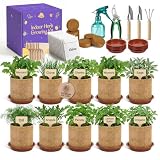
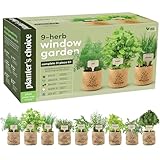
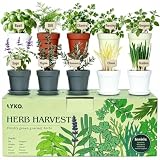
Bestselling Herb Gardens on Amazon




Last update on 2026-10-02 at 05:39 / Affiliate links / Images from Amazon Product Advertising API
How to Choose the Right Herb Garden for Your Home Kitchen
Your best setup begins at the stove: grow what you actually eat. That rule gives the highest return on space and time.
Do a quick cooking audit: scan the last ten meals you made and note recurring flavors. Basil, parsley, chives, thyme, rosemary—those repeats tell you what to prioritize.
Start with cooking habits
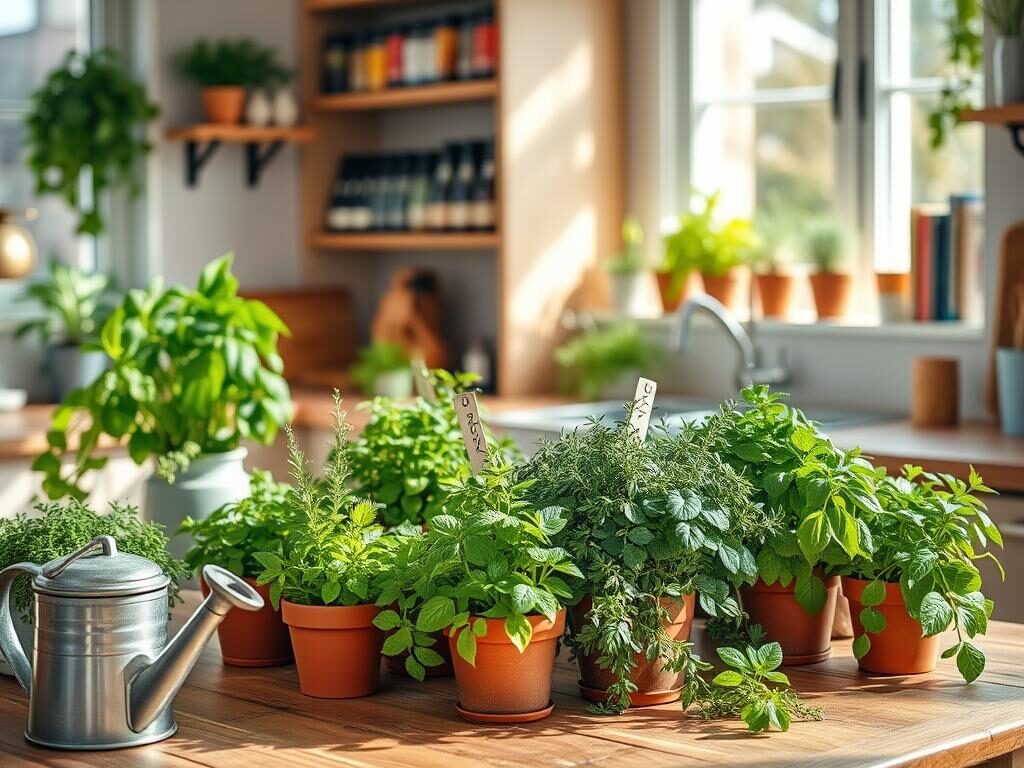
Pick plants that match your menu. If you never use savory, don’t save a pot for it. Keep high-use herbs closest to the door or the brightest indoor spot for fast snips during prep.
Assess space like a pro
Watch the sun for a few days. Note shaded pockets, hot corners, and windy zones. Full sun means about six hours; many culinary herbs still thrive in part-sun (4–6 hours).
| Light Level | Typical Plants | Best Spot |
|---|---|---|
| Full sun (6+ hrs) | Rosemary, thyme, oregano | South patio or unobstructed window |
| Part-sun (4–6 hrs) | Basil, parsley, chives | East window or bright balcony |
| Low light (<4 hrs) | Mint, certain parsley varieties | Bright corner with supplemental light |
Quick tips: convenience beats looks. If a plant is hard to reach, you won’t use it—and it won’t produce. Next up: I’ll match garden type to your exact light level so you get steady harvests, not guesswork.
Best Herb Gardens for 2026 for Every Space and Light Level
Think of this as a menu: each setup serves a different light, soil, and time budget. I’ll list practical picks you can set up fast and keep productive.
In-ground culinary beds (full sun, well-drained soil)
Why it works: true full sun and well-drained soil bring out bold flavor in thyme, rosemary, oregano, and other culinary herbs.
Container and patio setups
Containers are my go-to for patios and balconies. I move pots to chase light, protect tender plants in storms, and control soil without reworking the ground.
Window boxes, raised beds, indoor and grow-light options
Window boxes save space but need careful placement. Raised beds give cleaner harvests and better soil control. Indoor pots suit quick snips, and timed grow lights deliver leaves through winter and year-round.
- Contain mint in its own pot to stop spread.
- Group thirsty and dry-loving plants separately.
- Use 16/8 light cycles for seedlings under grow lights.
| Setup | Best for | Key need |
|---|---|---|
| In-ground bed | Full sun plots | Well-drained soil |
| Container | Patios, balconies | Moveable pot, good soil |
| Grow-light | Winter, low light | Timed light, steady water |
Where to Get Herbs and Seeds That Actually Grow Well
A great start often comes from the source — not the bargain bin. Buy choices make a big difference in how quickly a new plant settles and produces.
Why big-box plants can stall: many travel long distances and are propped up with synthetic fertilizers or fungicide. That look-young-and-full finish masks stress. Once home, if you don’t match those inputs, the plant may sulk or decline.
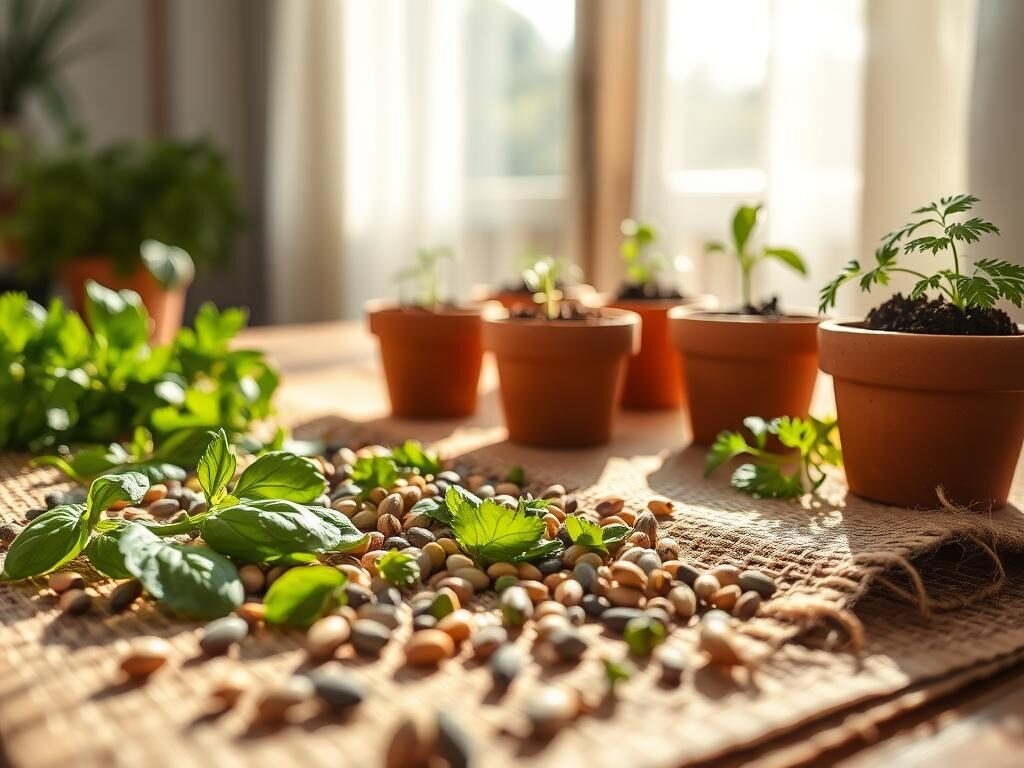
Seed vs. starter plant — which saves you time?
Seeds are cheaper and scale well but need patience. Starter plants get you cooking fast and save time for busy weeks.
| Choice | Best for | Notes |
|---|---|---|
| Seed | Budget, scale | Good for basil, parsley, cilantro |
| Starter plant | Instant use | Repot quickly if from big-box |
| Cuttings | Free/fast | Mint and many woody herbs root easily |
Trusted sources & questions to ask
- Seed suppliers: Baker Creek, Botanical Interests, Southern Exposure, High Mowing — great for organic, non-GMO seeds for spring stock-ups.
- Ask any local grower: what they fed the plant, whether fungicides were applied, and their recommended care routine.
- My sourcing order: local nursery first, farmers’ market next, big-box only if the plant looks actively growing and I can repot fast.
Planting and Care Basics for Stronger Herbs, More Leaves, and Fewer Problems
A few simple tweaks to light, soil, and water change everything.
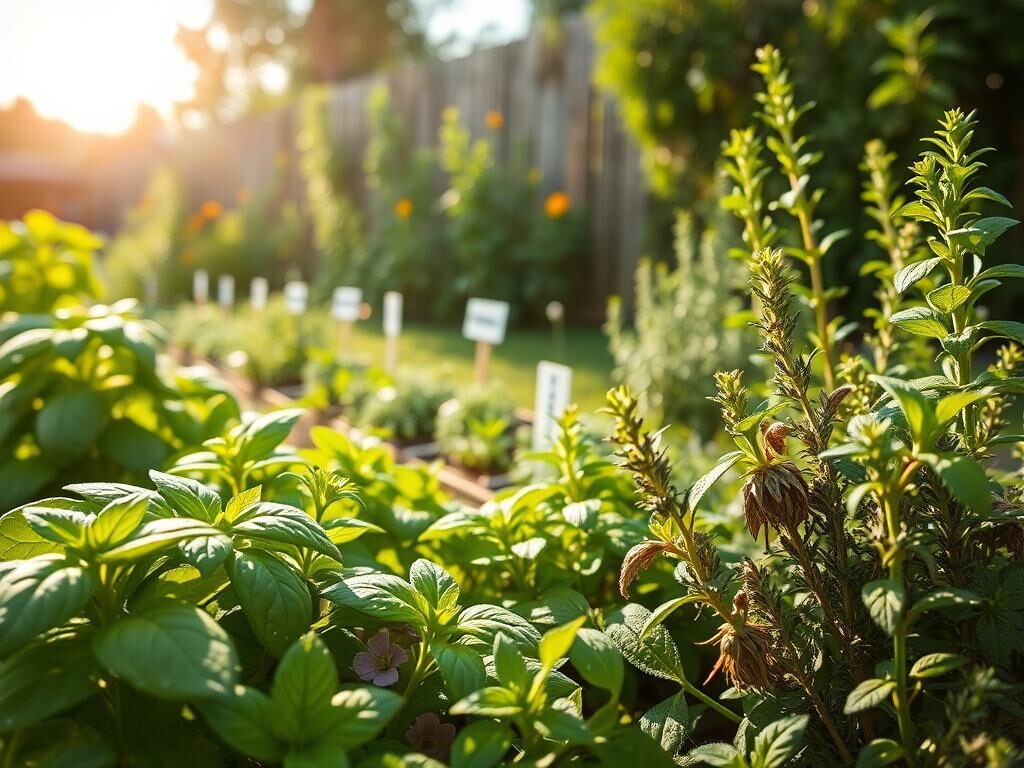
Outdoors, aim for full sun—about six hours or more—so plants push out lots of healthy leaves. Indoors, pick the brightest spot you have and rotate pots if one side gets shaded.
Use a loose potting mix for containers and well-drained soil in the yard. Good drainage keeps roots happy and prevents yellowing from soggy soil. I add grit or perlite when a pot feels heavy after watering.
Split watering into two buckets: dry-loving Mediterranean types (rosemary, thyme, sage) and thirsty types (basil, mint, chives). Don’t group opposites together; mismatched needs lead to inconsistent growth.
Trim often. Cut above a node to encourage branching and more leaves. For basil under lights, pinch when seedlings have four sets of leaves to force bushy growth.
| Symptom | Likely cause | Fix |
|---|---|---|
| Leggy, stretched stems | Not enough light | Move to brighter spot or add grow light |
| Yellowing leaves, slow growth | Poor drainage or overwatering | Check soil, improve drainage, reduce water |
| Flowering early, fewer leaves | Plant shifting to seed production | Pinch flower buds to extend leaf production |
Season-by-Season Herb Garden Strategy for 2026
I map my year by seasons so you know what to do and when—no guessing. This short plan keeps plants productive and your kitchen supplied without daily fuss. Observe your sun for a few days before you place anything; small spaces hide microclimates that change the outcome.
Spring setup
Watch sun angles for several days, then site pots and beds where light is real, not assumed. Prep soil with compost and a little grit for drainage. Cut oregano back to 3–4 inches to invite tender new growth.
Starting basil indoors
Begin basil in early April under a 16-hours-on / 8-hours-off light cycle. Keep lights about 6 inches above seedlings. Thin crowded starts and pinch under the top pair of leaves after roughly four sets to force bushy growth.
Summer harvesting
Harvest often with small snips. That encourages more leaves and avoids shock. Water consistently during heat spells; morning watering reduces stress and disease risk.
Overwintering rosemary and sage
Tuck rosemary and sage into sheltered spots—brick corners or leeward walls—to buffer cold winds. These tougher perennials do better when they get solar heat gain and wind protection.
Easy propagation
- Divide mint and chives in early spring to refresh clumps and get free starts.
- Layer woody stems (rosemary, sage, oregano, thyme) by pinning to soil until roots form.
| Season | Key Move | Why it works |
|---|---|---|
| Spring | Observe sun, prep soil, cut back oregano | Identifies best spot; encourages tender shoots |
| Summer | Regular snips, steady water | Boosts leaf production; avoids stress |
| Winter | Shelter rosemary & sage | Reduces wind damage; uses retained heat |
Want a simple seasonal guide? For more detail on timing and care through the year, see this seasonal growing guide.
Wrapping Up
A reliable kitchen stash of fresh leaves starts with one smart choice: pick the right setup for your home and stick with it for a year.
Quick choose-your-own-adventure: full sun → in-ground or raised bed; limited space → containers or a window box; low light/winter → timed grow lights. These simple matches save time and failures.
Focus on three big levers: light first, drainage second, then watering that fits each plant. Trim often to force more leaves and delay flowering—this makes your pots productive, not decorative.
Today’s action: find the brightest spot (indoors or out), pick 3–5 high-use herbs, and choose the simplest herb garden you’ll maintain year-round.
I’m cheering you on—steady, healthy plants in the kitchen beat perfect setups every time. Use these tips, keep it simple, and enjoy fresh snips all year.