Kate Donovan


Last update on 2026-10-01 at 04:34 / Affiliate links / Images from Amazon Product Advertising API
Nearly 40% of Americans who buy a strength unit keep using it for under six months — which is why I test gear, not just catalog it.
I wrote this hands-on buyer’s guide for U.S. shoppers who want real recommendations, not a random list. I tested products for versatility, durability, functionality, and value so you can skip the gadgets that break or disappoint.
These setups fit different spaces and budgets — from wall-mounted smart systems and compact racks to stack units and modular kits. I’ll weigh upfront price against long-term value, because sometimes one big buy beats a recurring membership cost.
Expect both all-in-one machines and phased-build equipment options. I preview favorites like the Force USA C10, REP Ares, Tonal 2, Marcy-style stack pieces, and practical cardio add-ons so you can jump to what matters for your training.
Bestselling Home Gyms On Amazon


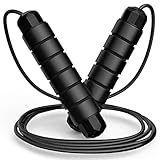
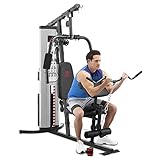

Last update on 2026-10-01 at 04:34 / Affiliate links / Images from Amazon Product Advertising API
Bottom line: by the end, you’ll know which gym fits your space, goals, and budget — and which to skip. Want deeper buying criteria? Check my foundation on fitness essentials.
Why you can trust these home gym picks for 2026
I dig through build quality and real-world use so you get equipment that lasts and works. My testing focuses on the four pillars I care about: versatility, durability, functionality, and value.
That means I don’t count attachments— I test whether a unit covers a full week of training without forcing awkward workarounds. For durability, I look at frame stability, hardware that stays tight, and parts that don’t feel disposable.
The cable system gets its own checklist: smooth travel, consistent tension, and pulleys that don’t bind when you change angles. Bad pulleys ruin sessions fast, so I call those out every time.
Ergonomics matter too. I evaluate seats, handle feel, adjustability, and the practical range of motion for normal bodies. If a machine limits natural movement, it’s a pass.
Matching gear to goals and spaces
I match each unit to specific fitness goals. Strength-first lifters need heavy-load capacity and solid racks. General fitness or conditioning users benefit from multi-angle cable work and quick transitions.
Finally, I check fit for real spaces—apartments, spare rooms, basements, and garages—because even a great system fails if it won’t fit or can’t be used safely.
Benefits of building a home gym instead of paying for a gym membership
If you’re done waiting for machines or fighting for a squat rack, owning a compact setup changes everything. I’m not saying every buyer should rip up their membership card, but a well-chosen rig often gives you more consistent progress and fewer excuses.
Space efficiency with all-in-one machines and compact setups
All-in-one trainers like Marcy Pro or compact units from FitnessFactory replace multiple pieces. They save floor space and keep a room usable for other things.
Cost savings over time compared to recurring membership fees
Think conceptually: a single purchase can break even in 6–24 months versus monthly dues. That math gets better if you factor in time saved and avoided extra classes or personal training.
Convenience, privacy, and training anytime
Training at home means no commute, no waiting, and no awkward crowded evenings. That privacy helps you learn lifts with confidence and progress at your own pace.
Customization for full-body workouts and specific muscle groups
You pick equipment that matches your goals—strength, general fitness, or targeted muscle groups. Add attachments and vary angles to keep workouts fresh and avoid boredom.
- Practical options: one machine that covers presses, rows, and leg work.
- Real benefits: more consistent sessions and lower long-term cost.
- Safety note: start light, learn movements, and build confidence privately.
Home gyms: what counts as a “home gym” in 2026?
Call a home gym whatever fits your life: a converted garage or a single powerhouse unit that replaces an entire workout floor. I define the term the way buyers use it—either a dedicated space or one multi-station system that earns its footprint.
Space-based setups vs. machine-based units
Space setups mean floor area plus a few pieces of equipment: rack, bench, barbell, a couple of plates, and maybe a rower. They’re flexible and scale as you add gear.
Machine-based units—multi-station trainers and a functional trainer—pack many movements into one box. They reduce setup decisions and tidy a room fast.
How to decide: all-in-one vs. modular
Pick an all-in-one unit when you want fast programming and minimal assembly. Pick modular when you want upgrades over time and specific strength tools like racks or heavy bars.
- Rule of thumb: If barbell progress matters, prioritize a rack over cables.
- When cables win: you need multi-angle pulls and quick transitions for varied sessions.
- Big gotcha: don’t just fit the frame—leave clearance for bar paths, handle swing, and safe walk-around space.
How to choose the best home gym for your fitness goals
Choosing the right rig starts with a simple question: what are your primary fitness goals?
Strength-first vs. general fitness and conditioning
If you want raw strength and progressive overload, pick a barbell-friendly unit with a sturdy rack and high load capacity. Those setups handle heavy weights and compound exercises better.
For general fitness or conditioning, choose a guided machine or functional trainer. They favor quick transitions, variety, and safer movement paths for fat loss and steady progress.
Beginner-friendly guided movement vs. advanced free-weight training
Beginners benefit from guided systems. They build confidence and teach movement patterns without fear of dropping a bar. Marcy Pro-style units shine here—look for adjustable seats, pulleys, and resistance.
Advanced lifters should prioritize free-weight options and racks. Those let you fine-tune load, tempo, and technique as you chase strength and size.
Training variety: one unit that targets multiple muscle groups
You get more value from a single unit that hits many muscle groups than from a pile of single-purpose machines. Look for adjustable angles, add-on options, and room to increase weight.
| Goal | Best Unit Type | Key Feature | Who it fits |
|---|---|---|---|
| Strength-focused | Power rack + bench | High load capacity, plate storage | Serious lifters, progressive overload |
| General fitness | Functional trainer / stack | Multi-angle cables, guided movement | Beginners, time-crunched users |
| Hybrid / household | All-in-one modular unit | Versatility, adjustable resistance | Multiple users, varied goals |
Progressive overload matters. Make sure the unit you buy can add weight, change resistance, or alter angles so it stays useful for years.
Space planning and setup requirements for home gym equipment
Start by measuring the usable floor area, not just the room dimensions. I measure the footprint plus clearance for my body, the bar path, and any cable travel. That approach keeps assembly day from turning into a furniture-moving nightmare.
How to measure for a safe footprint
Measure length and width, then add at least 3–4 feet around a rack or bench for safe movement. For wall units like the Tonal 2, plan roughly 64 sq ft of free space so arms can move through the full range during workouts.
Ceiling height, rack compatibility, and workout clearance
Check ceiling height for pull-ups and overhead presses. Freestanding racks such as the Fringe Sport work in lower ceilings but consider bolting or floor mounts if you plan kipping pull-ups.
Small-space winners and when to bolt your gear
Wall-mounted and compact designs save space but usually trade off max load or feel. Big cardio units (think NordicTrack 1750) are heavy and need a delivery path—measure doorways and stair turns first.
| Item | Minimum Footprint | Clearance Notes |
|---|---|---|
| Tonal 2 (wall) | ~64 sq ft | Arm movement range; minimal floor depth |
| Fringe Sport rack (freestanding) | 6′ x 4′ | Can be bolted; recommended for dynamic pull-ups |
| NordicTrack 1750 (treadmill) | Large footprint | ~311 lbs; plan delivery path and floor support |
- Quick tip: mock up the footprint with tape before you buy.
- Stability: bolt racks when doing heavy power work or dynamic training.
- Door checks: watch for garage tracks and door swings that block a bar path.
Home gym machine types and who each is best for
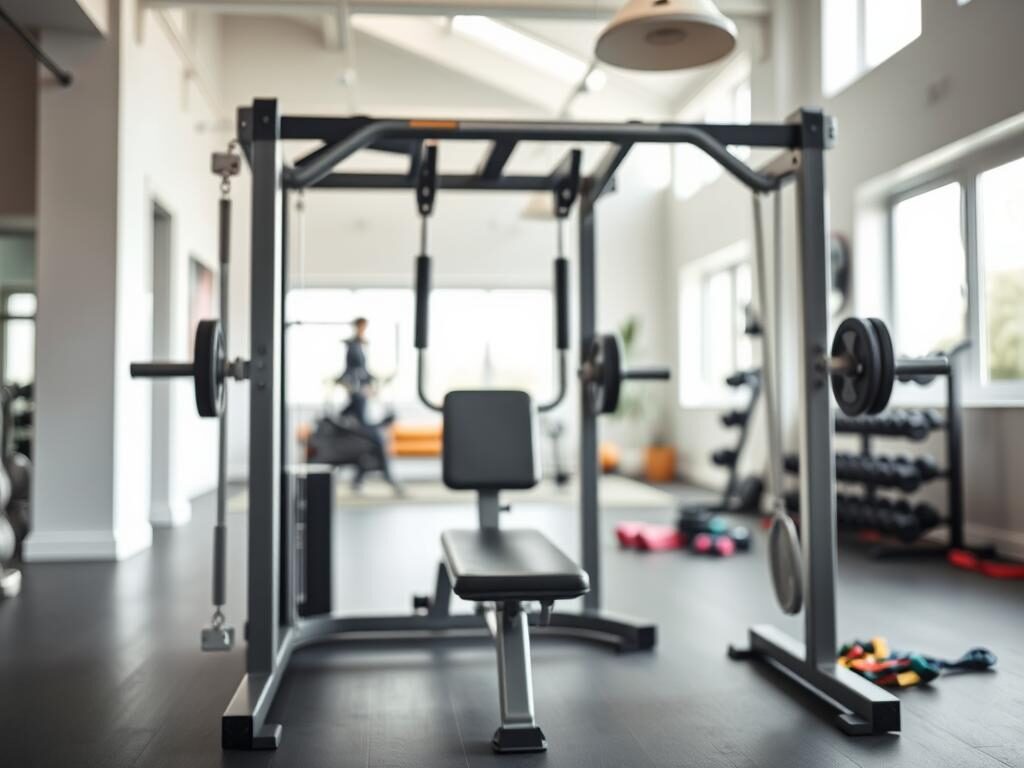
Different rigs solve different problems: safety, variety, raw load capacity, or compact all-in-one coverage. I’ll walk through the common machine types and who gets the most value from each.
Smith machines for safer squats and presses
The smith machine is ideal if you train solo and want guided safety on squats and presses. The fixed bar path reduces wobble and makes stalled reps less risky.
It’s a confidence-builder for beginners and for anyone rehabbing. Look for quality bearings and sturdy catches—those matter more than flashy extras.
Functional trainers for cable versatility
A functional trainer delivers the best variety per square foot. Dual pulleys, adjustable heights, and quick-angle changes let you do many cable exercises from one footprint.
Choose this if you want multi-angle pulls, band integration, and smooth pulley travel for accessory work and conditioning.
Power racks and cages for heavy barbell work
When raw power and progressive overload matter, go with strong racks or cages. They handle heavy sets, the best bench placements, and lots of attachments.
Racks are the long-term strength play—add a bench, dip bar, or plate storage as you build capacity.
Stack gyms: compact, all-in-one full-body solutions
Stack gyms pack presses, rows, and leg work into one unit. They’re great for general fitness and full-body workouts when space or time is tight.
Expect less free-weight feel, but huge convenience—perfect for mixed-use rooms or shared households.
Power towers, specialty benches, and targeted trainers
These are support pieces. Power towers handle pull-ups/dips/leg raises. Specialty benches and targeted trainers let you isolate weak links without a giant footprint.
Add them when your main machine covers the heavy lifting but you need specific accessory work or more exercise variety.
Understanding resistance: weight stacks, free weights, and digital weight systems
Resistance choices shape how your sessions feel, not just how heavy the numbers read. I break the options into three clear camps so you can match a system to your goals and space.
Dual-stack pulleys and cable feel
Dual-stack setups (think REP Ares 2.0 with dual 260‑lb stacks) give near-symmetric pulls and smooth travel. Swiveling pulleys and high-quality cable mean fewer jerks and cleaner reps.
Smoother pulleys improve unilateral work and control. Small differences in pulley ratio change the handle feel more than the listed weight does.
Free-weight capacity and hardware needs
Free weights win for raw strength. Heavy plates demand a stout frame, beefy safeties, and solid hardware. If you plan to add kilos for years, prioritize a rack or trainer that lists high weight capacity and clear safety ratings.
Digital resistance and coaching
Digital resistance (Tonal 2 as an example) changes load fast and pairs with coaching. That’s great for quick set changes and logged progress.
Tradeoffs: digital systems can lock you into an accessory ecosystem and often carry membership costs. They’re brilliant for guided training, less ideal if you want open-source attachments or unlimited max plates.
| Mode | Best for | Key tradeoff |
|---|---|---|
| Weight stacks | Convenience, smooth cable work | Limited top-end load |
| Free weights | Long-term strength progress | More space, harder setup |
| Digital resistance | Coaching, fast adjustments | Membership/closed accessories |
Key features that separate great home gyms from mediocre machines
Spend five minutes on these checks and you’ll skip the mediocre units fast. I use a quick, repeatable audit when testing to spot winners.
Adjustability and range-of-motion friendly design
Look for fast-moving pulleys, a seat that clicks into position, and clear range markings. Adjustable pulleys let you change angles for rows, presses, and functional moves.
Why it matters: a machine that fits different limb lengths stays useful as you progress.
Attachments that expand exercises
The right attachments — varied bars and ergonomic handles — double what you can do. Cheap add-ons just clutter a room; quality bars and handles add true value.
Make sure replacements are easy to source and that the system accepts common bar and handle mounts.
Frame materials and long-term durability
Gauge and welds tell the story. I prefer heavy-duty steel frames (Fringe Sport’s 12-gauge benchmark is a good reference) and tight welds that don’t flex under load.
FitnessFactory-style upholstery and smooth cable systems also signal better durability over time.
Upgrade paths and options
Check whether a unit supports add-on stations, plate storage, or modular benches. A clear upgrade path keeps the equipment useful for years.
| Feature | What I test | Red flag |
|---|---|---|
| Adjustable pulleys | Smooth travel, positive catches | Sticky or noisy pulleys |
| Attachments | Multiple bars/handles, standard mounts | Proprietary, hard-to-find parts |
| Frame | 12–11 gauge steel, clean welds | Thin tubing, visible wobble |
| Upgrade options | Accessory ecosystem, bench compatibility | No add-on ports or sold-as-one-piece only |
Quick checklist: Does it adjust fast? Does it feel stable at rep eight? Are replacements and add-ons easy to find?
The best all-in-one home gyms for full-body workouts
Want one centerpiece that covers nearly every lift in a compact footprint? I test machines so you don’t guess. All-in-one trainers are the fast route to full-body workouts when you need variety without a pile of gear.
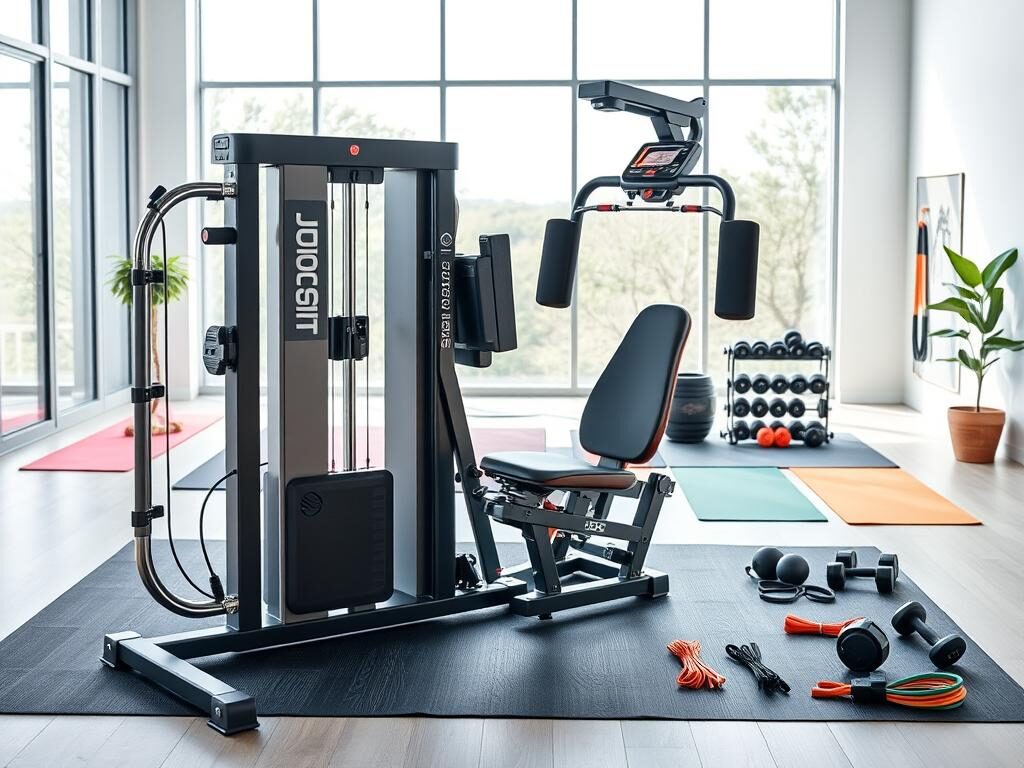
Force USA C10 — multi-station versatility
The Force USA C10-style machine shines when versatility matters. It combines cable stations, a smith path, and plate-loaded options into one sturdy unit.
Why it appeals: lots of exercise variety in a single footprint, quick transitions, and a setup that handles families or shared use.
Marcy stack-style units — space-efficient strength training
Marcy-style stack gyms deliver classic guided strength training without eating your whole room. Smooth cable motion, solid construction, and ergonomic seats make them reliable for beginners and steady users.
Look for smooth pulleys, comfortable seating, and easy adjustments between exercises. Those features keep sessions fast and usable for years.
- Price note: all-in-one machines can cost more up front but replace multiple single machines and recurring fees.
- Best for: busy households, beginners who want guardrails, and anyone who values convenience over maximal barbell loading.
The best functional trainer for versatility and cable training
For daily cable work and real versatility, a well-built trainer often beats a pile of specialty machines. I find myself reaching for cable moves more than I expected—they’re fast to set up and scale from warmups to heavy accessory sets.
REP Fitness Ares 2.0: why this pulley system stands out
The Ares 2.0 ships with dual 260‑lb stacks, upgradeable to 310 each, plus swiveling pulleys that free up angle options for presses, rows, flyes, and single‑arm work. That pulley design matters: it keeps cable paths clean so exercises feel natural instead of fighting the machine.
Who should buy it — and when it’s overkill
Best fit: lifters who want cable versatility plus the option to attach a rack (compatible with REP PR‑4000 and PR‑5000). It’s a powerful combo for mixed training—cables for daily volume, a rack for heavy power work.
Not ideal: true beginners or tiny spaces. The footprint (57.6″ W x 80–93″ H) needs clearance so cables don’t bang a wall. Also, the starting price (~$2,999.99) and upgrade options make it a bigger investment.
| Feature | Spec / Option | Who it helps |
|---|---|---|
| Weight stacks | Dual 260 lb each (upgradeable to 310) | High-volume cable training, heavy single-arm work |
| Pulleys | Swiveling, multi-angle | Cleaner movement and better exercise variety |
| Rack compatibility | Works with REP PR‑4000 / PR‑5000 | Combines cable work with heavy barbell power |
| Price & options | Starts at $2,999.99; pro assembly available | Good for buyers who want long-term versatility |
My buying tip: if you already own a sturdy rack, add the Ares as an accessory. If not, consider a bundled rack package or pro assembly to avoid headaches on install.
The best smart home gym machine for guided training and data tracking
Coached, data-driven workouts shrink decision fatigue and make steady progress easier. If you want guided training and compact design, a smart wall unit is a strong option. I tested the Tonal 2 and found it balances serious resistance with a tiny footprint.
Tonal 2: wall-mounted design and digital resistance
The Tonal 2 mounts to the wall (21.5″ W x 50.9″ H) and delivers up to 200 lbs of digital resistance (100 per arm). Digital resistance feels smooth and changes instantly, so you can move between warmups and heavy sets without swapping plates.
Membership and accessory costs to budget for up front
True cost matters. Base price is $4,295 and the app membership runs $59.95/month. Smart accessories—bars, bench, and mounts—are sold separately and push the all‑in number higher.
- Base price: $4,295
- Membership: $59.95 / month
- Accessories: sold separately; plan your budget accordingly
Space needed for coached workouts and arm movement range
Tonal’s slim profile saves floor area, but you still need about ~64 sq ft for coached workouts and full arm range. The built-in camera and Smart View coaching are handy for form cues.
One practical note: the camera helps with technique, but some users prefer privacy. If that’s you, consider placement or camera settings before install.
| Spec | Value | Why it matters |
|---|---|---|
| Footprint | 21.5″ W x 50.9″ H | Slim wall unit for small spaces |
| Max resistance | 200 lbs (100 per arm) | Enough for most strength progress |
| Membership | $59.95 / month | Guided plans, tracking, coaching |
Bottom line: Buy a Tonal 2 if you want guided training, fast setup, and data that keeps you consistent—just factor the membership and accessory price into your budget and allow space for full range of motion.
The best squat rack and bar setup for serious strength training at home
For lifters chasing real power and progress, a proper rack still rules the equipment list. I test racks so you don’t buy something that wobbles on heavy singles.
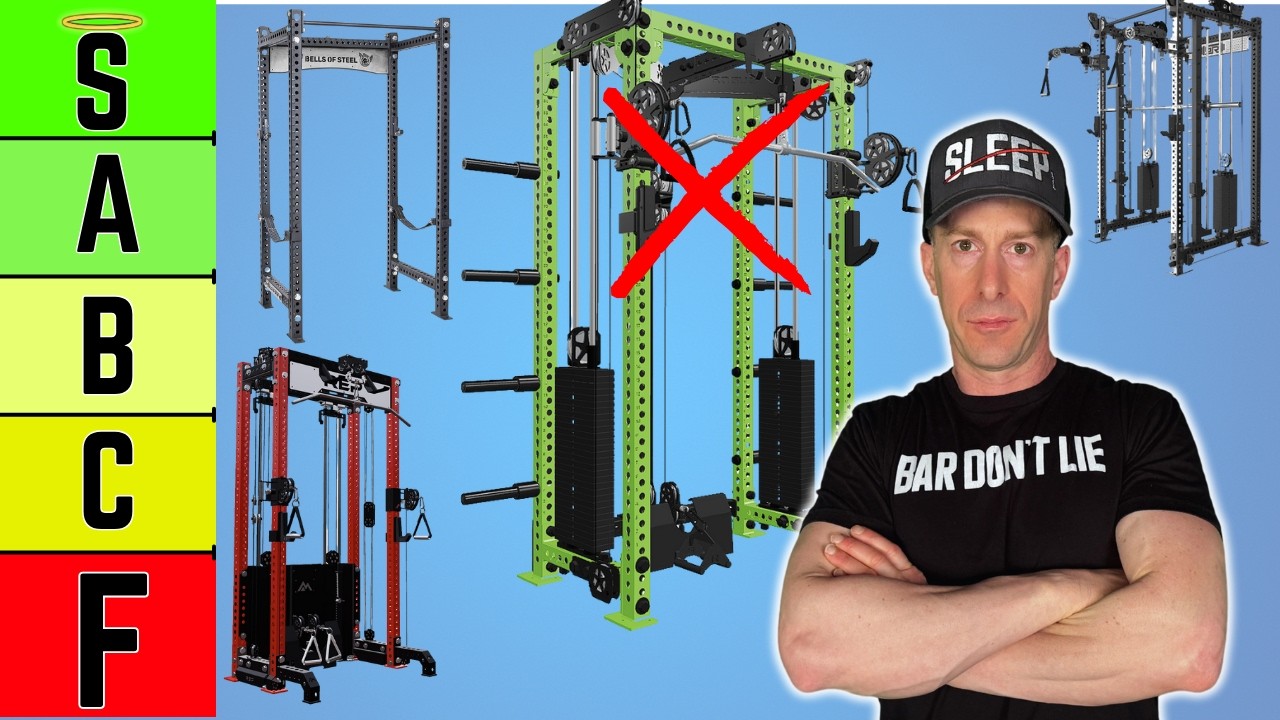
Fringe Sport Unlimited Squat Rack with Pull-Up Bar is a compact, no-nonsense option. It packs a 4′ x 4′ footprint, 12‑gauge steel, and a listed 600‑lb capacity into a freestanding frame that you can bolt down for extra security.
What matters when you pick a rack
Weight capacity and steel gauge tell the truth about long-term use. The 12‑gauge frame and 600‑lb rating mean this rack takes real strength work without feeling toy-like.
Stability shows up when you re‑rack a heavy set. Freestanding is fine for slow singles, but bolt the frame if you plan kipping pull-ups or dynamic training.
Add-ons and practical attachments
- Worth buying now: spotter arms, plate storage, and a landmine—these make heavy sets safer and setup neater.
- Can wait: fancy attachment bundles. Start with J‑cups (included) and add tools as your program demands.
- Bar pairing: choose a stiff 28–29mm bar with sleeves that match your plates to keep power transfers clean.
| Checklist | Why it matters | Tip |
|---|---|---|
| Footprint | 4′ x 4′ saves space | Mock it with tape before install |
| Mounting | Bolt for dynamic pull-ups | Use floor mounts if doing kips |
| Accessories | Spotter arms & storage | Add arms before heavy singles |
Quick pairing tip: place the rack so the bar path clears walls and doors. If you want a rack comparison, see my note on a popular half‑rack review for another durable option: Rogue HR‑2 half rack review.
Best cardio add-ons to round out a strength-focused home gym
Cardio isn’t a side note—it’s the glue that keeps strength gains sustainable and your recovery speedy. I add short conditioning sessions to most strength cycles for recovery, heart health, and better work capacity between heavy sets.
NordicTrack Commercial 1750 is my pick if you want incline/decline variety and guided runs. It offers -3% decline to 12% incline, a 3.5 CHP motor, and iFIT integration. Expect a delivered weight near ~311 lbs, curbside shipping in the continental U.S., and a price around $2,499. Remember: iFIT is extra and factors into true price.
The Aviron Strong Go Rower is the non-punishing alternative—gamified workouts, upright storage (84″ L x 27″ W x 48″ H), and a $1,599 price. Full feature access needs a monthly membership, but the interactive sessions keep workouts fun and consistent.
Which to choose? Pick the treadmill if you want steady-state runs, hill work, and guided programming. Choose the rower for full-body conditioning, lower joint stress, and tight space needs.
| Feature | NordicTrack 1750 | Aviron Strong Go |
|---|---|---|
| Best for | Incline/decline running | Full-body intervals |
| Space & logistics | Heavy, needs delivery planning | Upright storage, smaller footprint |
| Price & subscription | $2,499 + iFIT membership | $1,599 + monthly membership |
Want a practical comparison or alternate rower option? See my hands-on rower test and gear notes at best rower options.
Shipping, warranties, and assembly: what buyers in the United States should expect
Shipping and setup are part of the purchase, not just an afterthought. Big machines often arrive on a pallet and need space, timing, and a plan—so factor logistics into the final price and budget before you buy.
Free shipping policies and delivery realities
“Free shipping” usually means curbside delivery in the continental U.S., not a white‑glove carry‑in. Brands like FitnessFactory and Fringe Sport advertise free shipping for most equipment, and NordicTrack will courier large treadmills curbside as well.
Expect appointment windows, pallet drops, and freight carriers that won’t haul units up stairs. Measure doorways, hallways, and stair turns before you click Buy. If access is tight, budget for liftgate or in‑home delivery options.
Typical warranty ranges and what’s covered
Warranties vary widely—expect anywhere from 1 to 10 years depending on the product and part. Fringe Sport commonly lists a 1‑year warranty on racks; Tonal 2 has a 2‑year limited warranty; FitnessFactory items often carry 1–10 year terms by part.
Coverage usually splits into frame (longer), parts (mid), and wear items like cables or upholstery (shorter). Read the fine print: transportation costs, labor for repairs, and what voids coverage can all matter.
DIY vs. pro assembly: when to hire help
Smaller stack units or a basic rack are doable as a DIY weekend project for most people. Heavy treadmills, multi‑station systems, and wall‑mounted smart units sometimes require two strong helpers and hours of work.
REP Ares 2.0 and other large trainers offer pro assembly for a reason—save yourself a ruined weekend and potential warranty headaches by paying for professional install when the unit is large or complex.
- Avoid regrets: keep packaging until you confirm everything; photograph damage immediately.
- Check bolts: re‑tighten fasteners after the first few sessions.
- Plan budget: add potential delivery or assembly fees into the final price so surprises don’t blow your budget.
| Item | Common Delivery | Warranty Range |
|---|---|---|
| Stack machines (Marcy, FitnessFactory) | Curbside / pallet | 1–10 years (frame/parts) |
| Functional trainers (REP Ares) | Freight; pro assembly available | 1–5 years (parts vary) |
| Smart wall units (Tonal 2) | Standard shipping / professional mount advised | 2 years limited |
Final Thoughts On Best Home Gym Of 2026
After testing dozens of rigs, I still judge a setup by one question: will you use it every week?
I tested for versatility, durability, functionality, and value—so you get gear that lasts and performs. Quick recap: Marcy Pro and FitnessFactory shine for convenience, cost savings, and full‑body capability in a compact footprint.
Best‑by‑category in one line: all‑in‑one for simplicity, a functional trainer for cable work, a smart wall unit for coached sessions, and a rack/bar setup for serious strength training.
Decide fast: match purchases to your fitness goals, confirm space and clearance, and budget for shipping or assembly. Avoid buying for fantasy workouts—pick what fits your weekly routine.
Final step: pick 2–3 contenders, measure the area, then commit to the setup that makes consistent workouts easier—not more complicated.