Kate Donovan


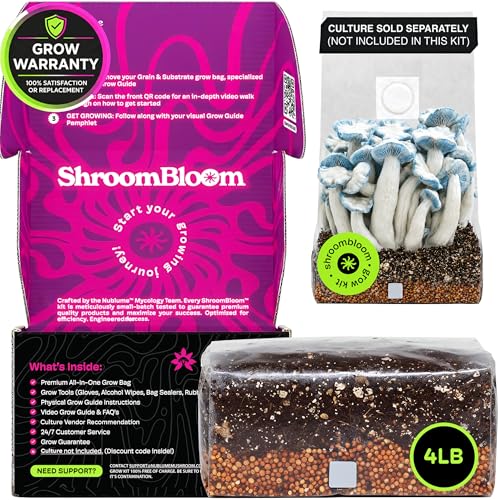


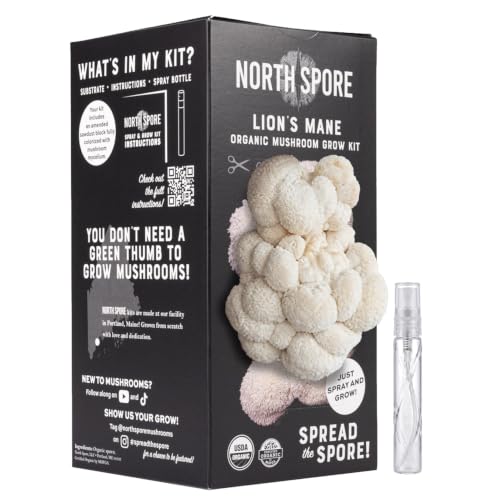
Last update on 2026-10-01 at 08:44 / Affiliate links / Images from Amazon Product Advertising API
Many indoor kits promise harvests in days, yet less than half deliver consistent fruiting without extra gear.
We wrote this guide because marketing often hides the hard parts—humidity control, fresh air exchange, and plain patience. I’ll set expectations up front so you don’t blame yourself when a kit stalls.
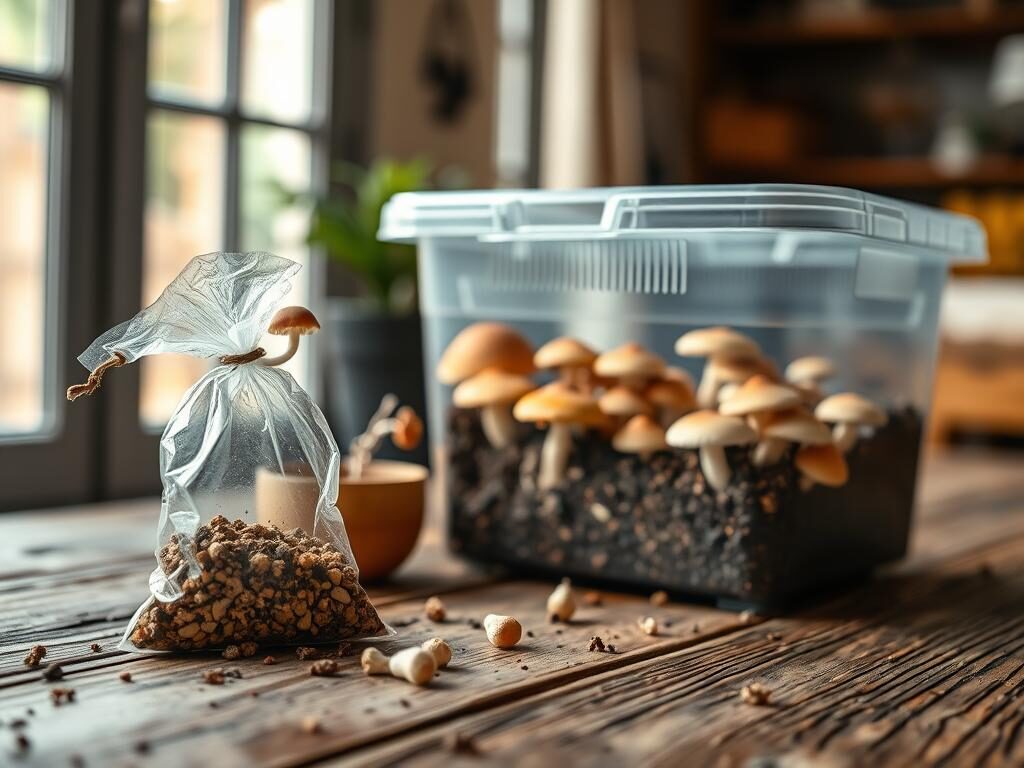
Here’s how we define “best” in 2026: products that actually fruit reliably, come with clear instructions, cost a fair price, and hit realistic timeframes for a typical U.S. home. We tested beginner boxes, spray-and-grow blocks, monotubs, all-in-one bags, outdoor beds, and long-term logs.
Quick preview: some kits (like Back to the Roots’ Pearl Oyster) can show harvests in ~10 days and are forgiving; indoor blocks usually fruit in 1–3 weeks and give 2–3 lbs over several flushes. We’ll call out finicky models and highlight forgiving options.
Who this page is for: beginners seeking fast results, hobbyists after better yields, and gift buyers who don’t want a dud. For more hands-on reviews and deals, see this roundup and current offers.
detailed kit reviews · latest sales
Top Mushroom Growing Kits for Home Growing in the United States
I want practical picks—no fluff. Below is a quick-scannable top-10, then short notes on what you actually get, who should buy, and common failure points.
- North Spore Spray & Grow — best overall variety
- Back to the Roots Pearl Oyster — fastest for beginners
- North Spore Boomr Bin Monotub — hands-off indoor system
- Shroomtek all-in-one grow bag — dung-loving species starter
- Pre-inoculated Oyster fruiting block — forgiving indoor block
- Lion’s Mane indoor fruiting kit — first-timer friendly
- Shiitake indoor fruiting block — for serious cooks
- MycoGarden outdoor bed kits — plant & grow yard option
- Specialty fruiting logs — long-term harvest projects
- Educational classroom kit — gifts and learning
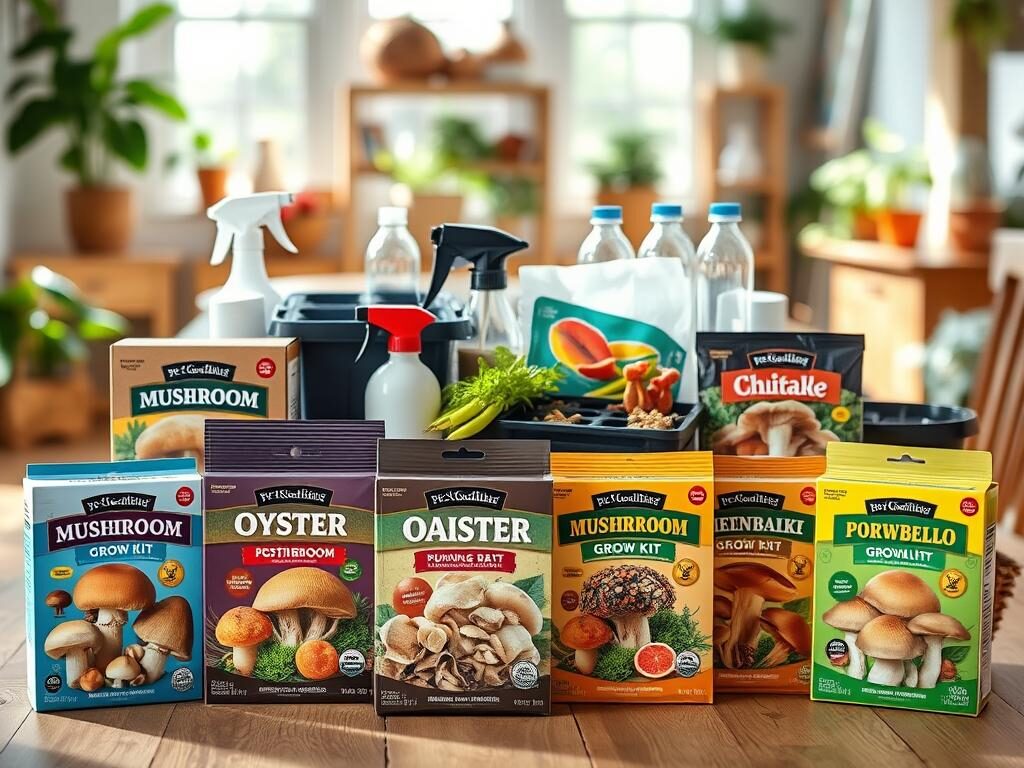
Quick notes
North Spore Spray & Grow: widest variety and clear instructions. Expect entry price around $29.99. It still needs humidity and fresh-air management—it’s not magic.
Back to the Roots (Pearl Oyster): claims ~10-day harvest. Reality: daily misting and the included mister matter. Plan for 3–4 servings per crop and maybe a second flush.
Boomr Bin Monotub: automates several steps for consistency. It helps reduce failures, but sterile technique and environment still count—and higher price can be worth it.
For more deals and supplies, check this current offer page.
How to Choose Mushroom Growing Kits That Match Your Space, Budget, and Species
Choosing the right kit starts with honest questions about space, effort, and what you actually want to harvest.
Decision step: Where will you place it — countertop, closet, basement, or patio? How much daily care will you tolerate? Do you want this month’s food or a long-term project?
Pick the system
- Spray & Grow: easiest entry for quick results and low fuss.
- Fruiting block: common indoor option — good balance of yield and simplicity.
- Grow chambers/monotubs: more control, higher cost, better consistency.
- Sterile substrate: DIY route — more steps, more ways to fail.
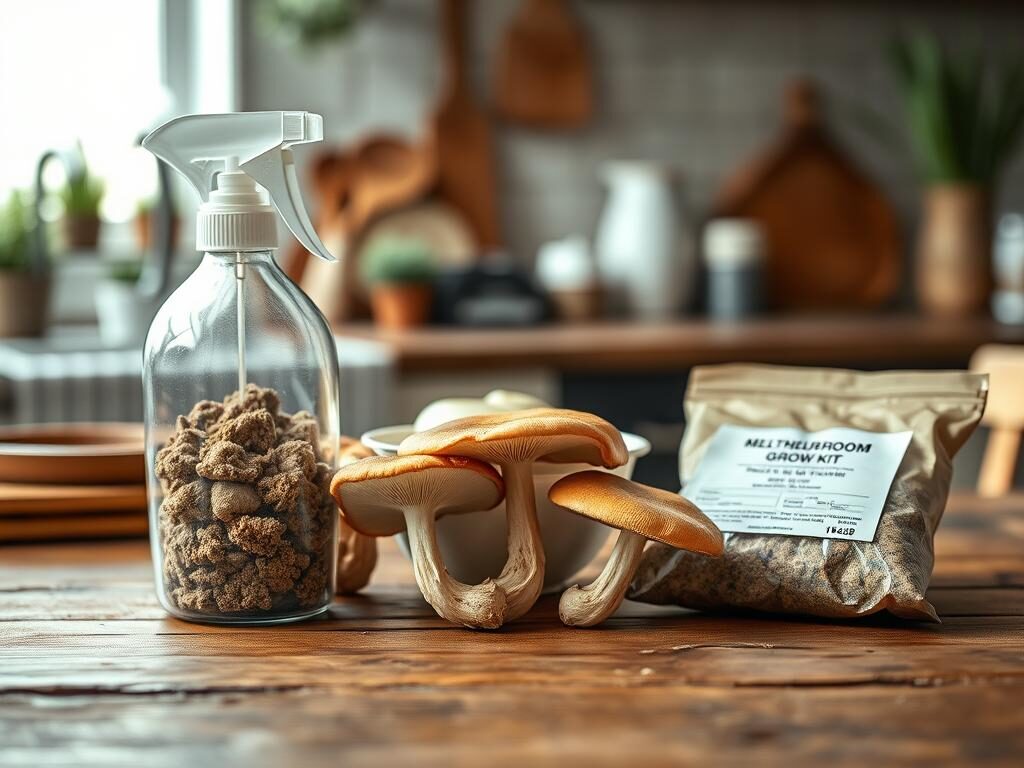
Match species and timelines
For forgiving indoor fruiting, pick oyster mushroom or lion mane if you want texture and novelty. Shiitake is for cooks willing to wait.
Expect indoor blocks to fruit in 1–3 weeks. Outdoor beds are seasonal. Logs are a 6–18 month timeline but pay back for years.
Value and what to check
Yield: most indoor blocks give ~2–3 lbs over 2–3 flushes when cared for properly.
Look for clear instructions, a humidity tool (mister), and honest timelines. For a skeptical checklist and more on our testing, see about our process.
Setup, Fruiting, and Care Instructions for a Successful Harvest
A reliable harvest starts with predictable daily care, not hopeful waiting. Treat a fruiting block like a tiny appliance: it needs a routine to perform. Below is a compact, repeatable plan that fixes most failures.
Daily “Day 1 to harvest” routine
Morning: mist the block once, open the container for 5–10 minutes for fresh air, then return it to indirect light (no direct sun).
Evening: mist again if the surface feels dry and check for odd smells or visible contamination.
Between flushes and repeat fruiting
After a harvest, rest the block 10–14 days. Do not water during rest. After the rest period, resume misting to trigger the next fruiting cycle.
Common problems and fixes
- Low humidity: increase misting frequency or create a mini humidity tent.
- CO₂ buildup: long stems and odd shapes (especially in lion mane) mean the block needs more fresh air—vent daily.
- Temperature swings: move the block to a more stable spot away from vents or windows.
- Mold: remove small, localized spots with a clean utensil and treat lightly with a 1:10 bleach-to-water solution. If contamination spreads quickly, stop experimenting and contact support with photos.
| Issue | Symptom | Quick Fix | When to Seek Help |
|---|---|---|---|
| Low humidity | Dry cap edges, slowed fruiting | Mist 2x daily; add humidity tent | If no improvement in 5 days |
| CO₂ buildup | Long stems, small caps, odd shapes | Increase fresh-air breaks; fan briefly | If shape doesn’t improve after venting |
| Mold | Colored patches, bad odor | Cut out spot, treat 1:10 bleach solution | If patch grows or odor remains |
| Temp swings | Slow growth, stalled pinning | Relocate to stable room temp | If pins never form after 2 weeks |
Harvest & storage: pick oysters just before cap edges curl. Store fruit in a paper bag in the fridge — no sealed plastic.
For a complete, step-by-step setup and care checklist, see our recommended starter guide: Setting Up and Caring for Your.
Conclusion
Your best buy starts with matching a kit to your home, not the latest sale blurb. Indoor blocks typically give 2–3 flushes and ~2–3 lbs total when cared for. Timelines vary: indoor systems take weeks, outdoor beds are seasonal, and logs pay off over 6–18 months.
Pick the system that fits your space and daily effort first, then pick species. For a forgiving start, an oyster option is usually safest; lion’s mane is a great conversation piece if you’ll manage fresh air.
Price matters, but value matters more. The cheapest product that stalls after one fruiting is a false sale—look for clear support and realistic yield claims. Back to the Roots’ ~10-day claim can work, but it still needs daily misting and the included mister.
Before you buy, check the product page for real photos, mention of second/third flushes, a clear list of what’s included, and plain-English troubleshooting. If those things are missing, don’t assume a low price is a win.
If a store page won’t load or checkout fails (page blocked, blocked extension), try disabling extensions (especially ad or privacy blockers) and refresh the page before assuming it’s sold out.
We’re blunt because biology wins or loses by humidity and fresh air—not hype. Pick a kit today based on your timeline (weeks vs months), then follow the care steps exactly for the first 7–14 days before changing variables.