Kate Donovan



Last update on 2026-10-01 at 09:23 / Affiliate links / Images from Amazon Product Advertising API
We tested over 200 paddles and put each through 10 hours of play — that’s more than 2,000 hours on the court to cut through the marketing noise.
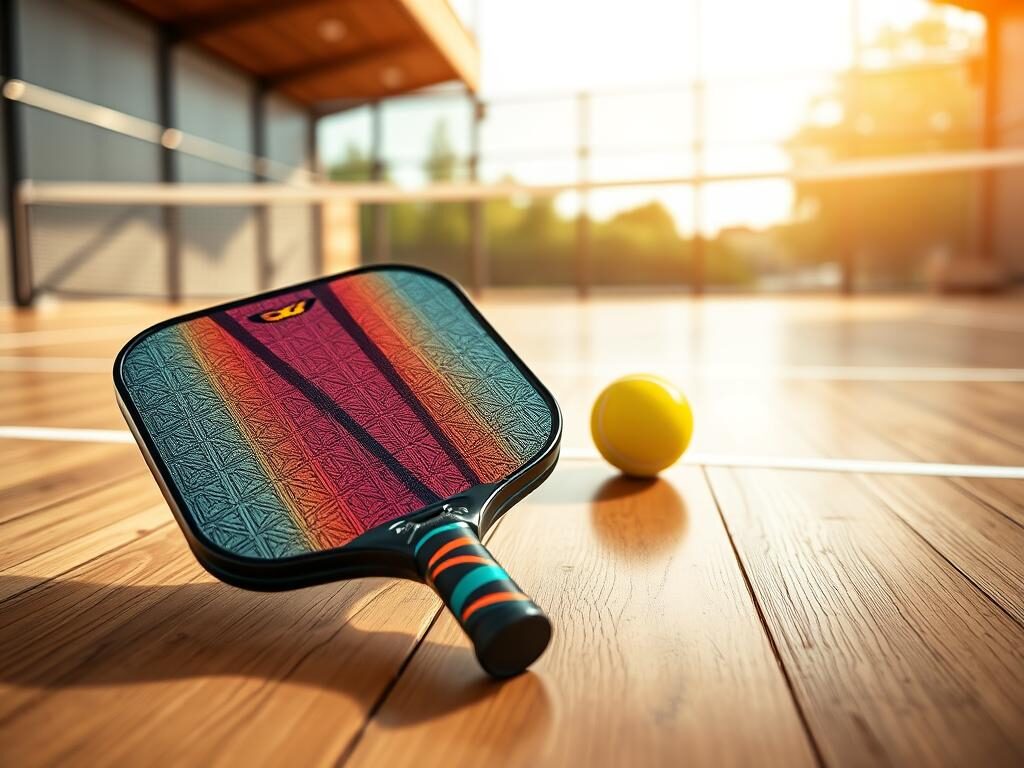
The market is messy. Brands toss around vague “tech” terms and raise prices by $80–$150 with no clear gains. We built this roundup to protect buyers, not to echo press releases.
As of March 2026, Honolulu Sword & Shield J2NF is our top overall pick. We rank each paddle by power, spin, control, and forgiveness — because those metrics predict real-world performance better than flashy labels like “pro spec.”
Big trend for 2026: foam core is mainstream. It’s changing durability, sweet spot consistency, and feel at the kitchen line.
Who this guide is for: beginners to advanced players, budget shoppers to premium seekers. Skip this if you only want the priciest model regardless of score.
How We Tested and Rated These Pickleball Paddles
First, we cut through industry noise to find what actually matters on court. We started with 200+ models and filtered to a working shortlist. Then we ran head-to-head comparisons so scores reflect true differences, not marketing copy.
What we measured and why it matters
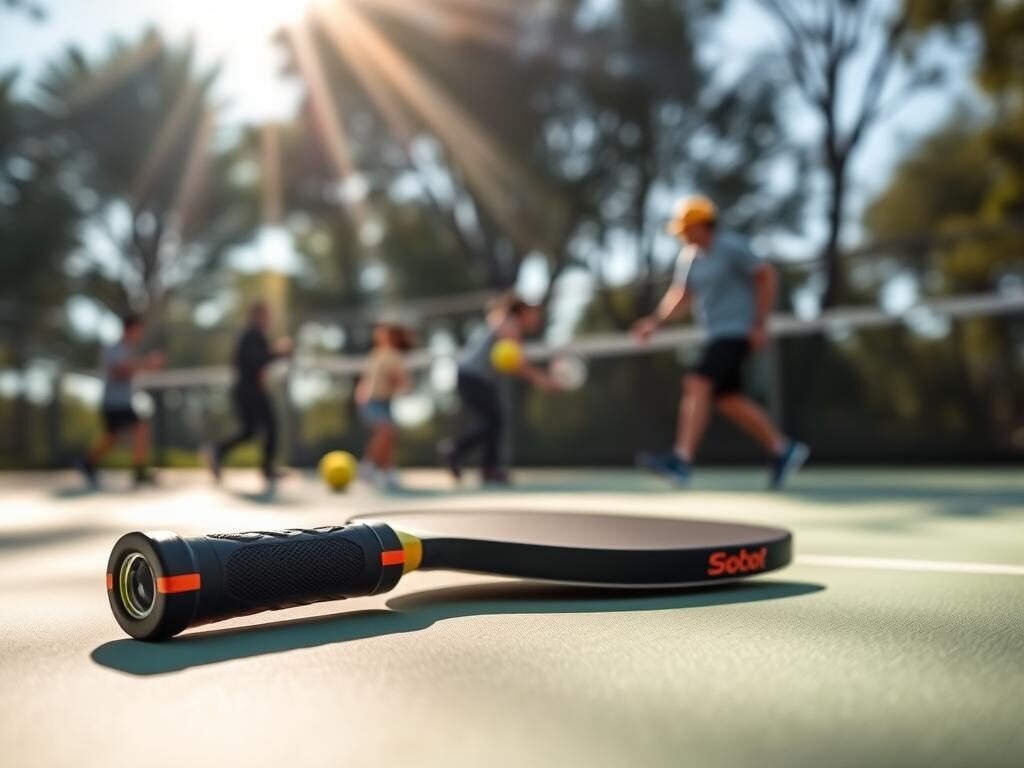
Each paddle earned at least 10 hours of play. Short demos miss wear-in issues and weird feel that show up after a few sessions.
We measured power (drive pop), spin (bite on topspin and rolls), control (launch-angle consistency), and forgiveness (stability on off-center hits).
Sweet spot and swing weight in plain terms
Sweet spot consistency means fewer surprise errors when you’re late or stretched. Swing weight is how the paddle reacts in your hands—affects reaction time and fatigue over long play.
Pricing, deals, and disclosure
We work with brands to secure codes and lower final price. Those codes can change at checkout, and links don’t buy higher rankings. See our notes on the highest consistency paddles for deeper methodology examples.
What’s New in 2026 Paddle Tech: Foam Core, Raw Carbon, and Hybrid Faces
This year’s tech changes are practical, not marketing fluff; here’s what you’ll feel on court.
Foam core construction is the headline. Closed-cell foam cores give a softer, more forgiving touch and absorb vibration better than older cores. That translates to a bigger sweet spot and steadier response across the face.
Durability matters. Foam cores resist delamination from heat (yes, leaving a paddle in a hot car) more than some honeycomb cores. That means the core often outlasts the face—even when the face shows wear.
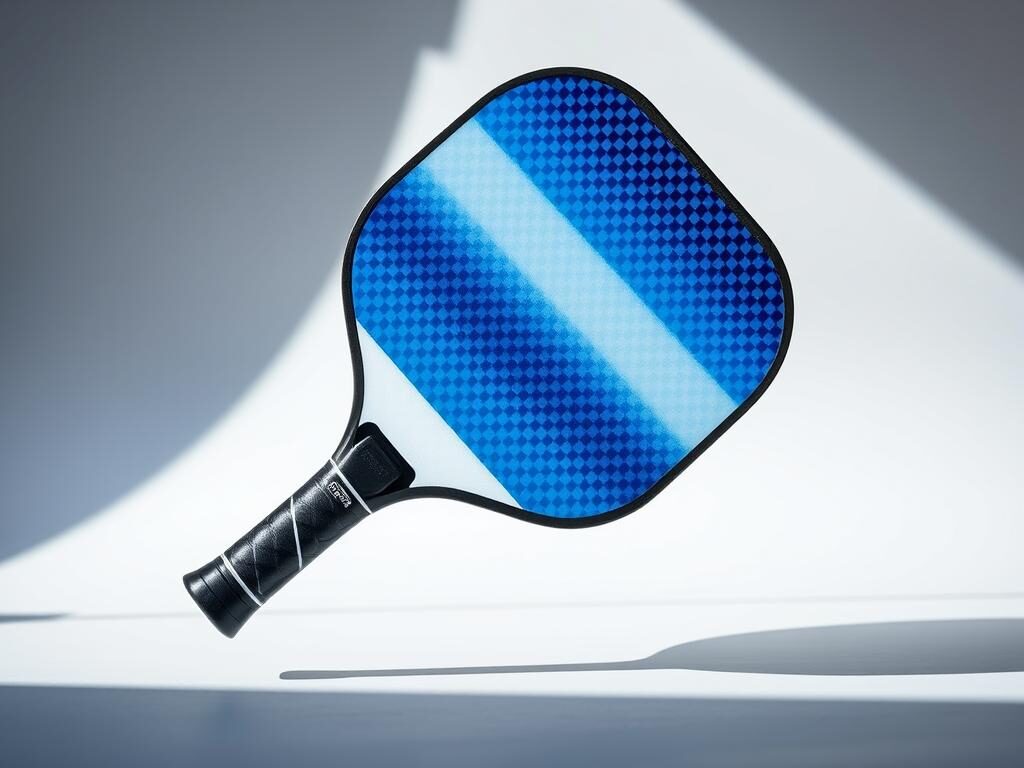
T700 raw carbon and face materials, plain and useful
T700 raw carbon (and other raw carbon fiber faces) give crisp bite and top-tier spin. Sadly, raw carbon faces can thin out faster under heavy use than aramid carbon blends.
- Fiberglass surfaces: louder pop, softer dwell—good for easy power and touch.
- Carbon fiber surfaces: cleaner pop and sharper spin, but variable durability.
- Aramid carbon blends: best longevity, slightly muted feel compared with raw carbon.
Pop vs dwell time shapes shot choice. Pop helps fast counters and drives. Dwell time helps drops, dinks, and shaping rolls. Choose a hybrid face when you want a middle ground—easy power without giving up control.
Quick Picks for Different Players and Budgets
Not everyone wants a deep dive—so here’s a fast shortlist tied to real play styles. We give a short answer first, then back it up in later sections.
Best overall value under $200
Honolulu Sword & Shield J2NF — below $200 with common discounts. Big sweet spot, low swing weight, and usable pop for most players. Ideal for folks who want one reliable paddle for all situations.
Best budget under $100
Warping Point Neon — under $100 on sale. Excellent control and forgiveness for the price. Expect trade-offs in long-term face durability.
Best beginner-friendly control and forgiveness
Vatic Pro V-SOL Pro — about $99.99 with code. Foam core gives extra dwell and makes learning touch shots easier. Light and forgiving at the kitchen.
Best spin-focused performance
RPM Friction Pro — top spin option, often 15% off. If you favor heavy bite and roll, this is the match for aggressive topspin shots.
Best power-first option
Selkirk LABS Project Boomstik — for purists who want a true power paddle. Big pop and speed, but expect less dwell and softer control on touch shots.
| Model | Approx. Price | Ideal Player | Top Trade-off |
|---|---|---|---|
| Honolulu Sword & Shield J2NF | Under $200 (sale) | All-court players | Not the absolute max power |
| Warping Point Neon | Under $100 (sale) | Budget shoppers | Face longevity |
| Vatic Pro V-SOL Pro | ~$99.99 (code) | Beginners learning touch | Less top-end speed |
| RPM Friction Pro | Mid-range (15% off) | Spin-first attackers | Reduced softness for dinks |
Best Overall All-Court Performance: Honolulu Sword & Shield J2NF
When you want one reliable choice for everything on court, look for balance, not buzzwords. We found a rare combo here: a huge sweet spot with genuine pop and low swing weight that helps real matches, not just highlight reels.
Why it stands out in 2026
Big sweet spot, real pop. Lab numbers and on-court feel match: near-perfect power, spin, and control ratings. The face blends fiberglass and carbon fiber for lively response without harsh feedback.
Low swing weight (110) means faster hands in doubles, fewer late contacts, and cleaner defensive blocks that stay low instead of popping up.
Who benefits most
This is ideal for beginners who need forgiveness, intermediates wanting an all-court upgrade, and advanced players who want pro-level performance without a $250–$330 price tag.
Tradeoffs and when to pass
If you chase maximum power, consider a true power-first model like the Boomstik. If you want extra dwell and a cushioned feel, look to plusher foam options (they often cost more). Also pass if you need multiple shapes from one brand—this model has a single geometry.
- Price reality: With a 10% code it drops to about $175.50 — a value edge versus pricier foam competitors.
Top Challenger to Watch: Holbrook Fuze
Every few seasons a model arrives that actually rewrites how we expect speed and control to feel. The Holbrook Fuze is that rare case: we gave it 10/10 for power and 10/10 for control in lab and live testing.
Why its combo is unusual
The typical trade-off is simple: you get pop or you get soft touch. The Fuze delivers both. Its elongated shape and a 16 mm core make drives feel explosive while preserving stable launch angles on defensive blocks.
Why it still feels fast
Elongated, thicker cores usually slow recovery. This one doesn’t. The design scores a 10 for aerodynamics—meaning it cuts through the air on quick counters and body shots. That adds real speed when you need it most.
Surface and touch
The face blends carbon fiber with aramid fiber. That combo gives crisp bite for hits and slightly longer dwell for softer resets. In short: good pop without turning the face into a dead pillow.
- Best fit: fast-hands battles, counters, and aggressive all-court play.
- Price note: MSRP ~ $230; discounts often push it under $200, which changes the comparison set.
- Pass if: you live for max spin (see RPM Friction Pro) or you must have a half-price option.
Best Budget Pick: Warping Point Neon
Good gear under $100 usually feels like a compromise — the Neon mostly proves that wrong. We bought and beat on several budget models. Few deliver the control and large sweet spot this one does.
Why it shines under $100: elite control and forgiveness
Control is the Neon’s headline. The hybrid shape and 16 mm core give predictable launch angles for dinks, drops, and resets.
Massive sweet spot means fewer random flyers and firmer blocks when you get stretched. That lowers error rates across match play.
T700 raw carbon face: spin and consistency at a low price
The face uses T700 raw carbon, which is rare at this price point. That raw carbon texture helps with spin on serves and rolls while keeping consistent response across the face.
The result: reliable bite for shaping shots, without the durability trade-offs of cheaper coated faces.
Who should skip it: players chasing pure power
It’s fast in hands battles and offers good pop when you swing. But if your game needs an all-out power paddle that explodes off the face, look elsewhere.
- Price reality: about $90 with typical $10-off deals — rare value for this level of performance.
- Best for: control-first players who value speed and consistency in close exchanges.
- Pass if: you live for heavy, effortless power on drives.
Best for Leveling Up: Bread & Butter Loco
Leveling up doesn’t need hype. It needs a paddle that rewards cleaner strokes with measurable gains. The Bread & Butter Loco is that tool for hungry intermediates.
Why intermediates love it
The Loco delivers huge power without sacrificing control. That means you can finish points more often and still keep shots in play.
It’s plush at contact, so the face feels forgiving. That softness lowers surprise errors when you swing for a winner.
Spin, dwell time, and usable feel
More dwell time than the J2NF helps drops stick and dinks stay low. The surface bites for reliable spin on rolls and serves.
In fast-hands battles the Loco is quick—especially in the standard and hybrid shapes—so you don’t lose reaction speed at the net.
Choosing a shape
- Elongated: most raw power and reach for singles attacks.
- Standard: largest sweet spot and steadier launch angles for consistent court play.
- Hybrid: balanced speed and control—best if you want in-between performance.
Handling, fit, and who it’s for
The grip and handle cater to quick kitchen hands and two-hand backhands. We like the ergonomics for players improving match IQ and mechanics.
Who it fits: intermediates ready to compete up and advanced players wanting a high ceiling. Who should skip: bargain hunters who only want the cheapest option.
Price note: discounts often push the Loco to about $179 with a code—good value for the boost in on-court performance.
Best Beginner Paddle: Vatic Pro V-SOL Pro
Beginners need a tool that teaches them the game, not a flashy number on a spec sheet. The Vatic Pro V-SOL Pro is built around a foam core that adds extra dwell time and plush consistency. That soft feel helps new players sense contact and place shots with less frantic swinging.
Foam core benefits for learning
The foam core increases ball dwell at contact. That makes soft shots—dinks, drops, and controlled resets—easier to learn.
Consistency matters most for beginners. A forgiving core reduces surprise errors and speeds skill retention.
Light, fast, and maneuverable
The V-SOL Pro is light and extremely quick in the hand. Faster recovery at the net means fewer late contacts and more won “hands” exchanges without swinging harder.
You can add small amounts of lead tape to tune feel as you improve. The lightweight platform gives room to customize rather than forcing you into a heavy setup from day one.
Spin upside from Toray T700 carbon fiber
The face uses Toray T700 carbon fiber, which helps develop spin on serves and rolls. For players with decent technique, that bite accelerates learning of topspin drives and controlled rolls.
Limits: this is a beginner-focused performance tool. Advanced players may later prefer a stiffer face or a larger sweet spot for raw power and stability.
- Why it fits beginners: forgiveness, control, and maneuverability over raw power.
- Price note: about $99.99 with common codes—strong value for a foam-core entry model.
Best for Maximum Spin: RPM Friction Pro
When spin becomes your primary weapon, you need a surface that actually delivers—no gimmicks. We put this model through game-speed testing and lab drills. The result: more bite, more dip, and a lot more headaches for opponents who can’t read the ball off the net.
Why it produces the nastiest spin and heavy dip on attacking shots
The textured face and gritty surface grab the ball on contact. That creates topspin drives that suddenly dive at the feet and roll volleys that drop faster than normal.
Lightweight (7.9 oz) helps you snap the wrist for extra revolutions without losing speed or control. The overall feel is poppy—fast recoveries and a snappy response at the net.
Play style match: topspin drives, rolls, and aggressive kitchen counters
This is for attackers who use spin to finish points. Expect sharper angles and roll shots that skid low. If you can keep launch angle consistent, spin becomes a real cheat code in rallies.
When to choose something else: if you want more softness and control
The tradeoff is real. That spin-max face is less forgiving on soft dinks and delicate resets. If your game relies on long dwell time and plush touch, pass on this model.
- Who should buy: aggressive players who convert spin into winners and speed-ups.
- Who should pass: touch-first players wanting more dwell and calmer feedback.
- Value note: MSRP ~ $250; typical 15% discount drops it to about $212.50—only worth it if you’ll actually use the spin advantage.
Power Picks: When You Want the Ball to Explode Off the Face
If you finish more points than you set up, you want a paddle that mercilessly turns contact into pace.
What “power-first” really means: a design that boosts full swings and overhead put-aways. It favors raw pace over cushioned feel. You get harder shots and shorter rallies.
Selkirk LABS Project Boomstik: the max-pace alternative
The Labs Project Boomstik is our reference for true power-first performance. It lights up on full swings and makes winners easier to hit. Expect less margin on soft resets and delicate touch shots.
How to compare power-first vs. “poppy” faces
Power-first juices long swings. “Poppy” shows up in quick exchanges and snap volleys. Test by tracking three numbers:
- Third-shot drive depth (how often the ball clears the baseline).
- Overhead put-away success rate.
- Frequency of blocks sailing long.
Speed-ups and counters: extra power helps win hands battles, but it also magnifies errors if your launch angle slips.
| Characteristic | Boomstik | Control-first |
|---|---|---|
| Finishing power | Very high | Moderate |
| Touch margin | Lower | Higher |
| Vibration / comfort | Harsher | Plusher |
Guardrails: more power can mean more vibration and elbow stress. Check feel on a demo and note how the handle transmits shock.
Who this is for: aggressive players with solid control fundamentals who want easier put-aways. Who should avoid it: developing players who need forgiveness and consistent performance over raw mph.
Control and Touch Picks: Resets, Dinks, and Drops That Stick
Control wins you neutral points; the right feel turns pressure into routine. We define control by outcomes: a predictable launch angle, a stable face on off-center contact, and a core that reacts the same under stress.
Resets are the real control tax. If your paddle can’t absorb pace on a fast third shot, you’ll hand opponents free points—even if your drives look good in warmups.
A big sweet spot changes defense. Blocks and stretches land in more often. Edge-to-edge consistency matters because fast exchanges push contact away from the center.
Touch-focused players should look for softer feel, extra dwell time, and minimal trampoline on soft hits. Muted vibration helps on long play days—feedback is useful, but too much steals confidence.
Buyer takeaway
If your goal is fewer errors and more neutral-point wins, pick a control-first option. It often beats flashy power models when you need consistent performance under pressure.
| Model | Core | Sweet Spot | Best For |
|---|---|---|---|
| Honolulu Sword & Shield J2NF | Foam (16 mm) | Very large — edge-to-edge | Defense, predictable feel |
| Warping Point Neon | T700 hybrid (16 mm) | Large — forgiving on off-center | Resets, touch players |
| Vatic Pro V-SOL Pro | Foam (14 mm) | Large — higher dwell | Beginners learning touch |
Choosing the Right Shape and Specs for Your Game
We won’t pretend one spec fits every player. Your body, timing, and common contact point should guide choice. Below are practical trade-offs so you can pick a paddle that helps, not hinders.
Elongated, widebody, hybrid
Elongated: more reach and leverage for singles. Expect higher swing speed but a smaller sweet spot.
Widebody: stability and a larger contact area. Good for players who mishit under pressure.
Hybrid: the practical middle ground—reach and forgiveness balanced for most court roles.
Core thickness: 14 mm vs 16 mm
A 14 mm core usually feels livelier and gives extra pop on full swings.
A 16 mm core tends to feel plusher with more control and dwell—better for touch shots and resets.
Grip, handle length, and hand speed
Grip circumference affects wrist control and spin. Handle length matters for two-handed backhands and quick hand changes at the kitchen line.
Swing weight and fatigue
Higher swing weight increases power but slows recovery and tires you by game four. Lower swing weight improves reaction time and net speed.
- If you’re late at the net: prioritize lower swing weight and shorter handle length for faster hand recovery.
- If you mishit often: choose a widebody or hybrid for a bigger sweet spot and steadier control.
- Remember: specs are tools—not trophies. Footwork and shot selection still win matches.
Face Materials and Surface Grit: Spin, Control, and Long-Term Performance
Not all gritty faces age the same; some lose bite after a few sessions. We’ll cut through the hype and explain what actually grabs the ball and why that matters over months of play.
Why texture isn’t the whole story
A rough surface creates initial spin by increasing friction at contact. But texture alone can wear down fast if the underlying face material and coating are low quality.
Raw carbon vs. aramid blends
Raw carbon delivers sharp bite and high snap — great for aggressive spin and pop. Sadly, some raw carbon faces thin with heavy use.
Aramid carbon fiber trades a touch of snap for far better durability. If you play often, that longevity matters more than flashy day-one numbers.
When fiberglass and blends make sense
Fiberglass or carbon-fiberglass mixes boost pop and lively feel. They help finish points but can punish soft touch shots with higher rebound.
A quick decision framework
- Spin-first: choose a textured carbon face but accept faster wear.
- Daily player: prefer aramid blends for durability and steady control.
- Power without sacrificing touch: consider a fiberglass-carbon hybrid.
Durability and Temperature: What Actually Holds Up Over Time
Durability is where the hype dies — and where most players lose money and patience. We focus on what holds up after months of real use, not shiny launch videos.
Foam core longevity and heat
Closed-cell foam resists delamination in hot cars and on warm courts. That means less surprise fail after summer weekends.
Practical takeaway: foam gives a softer feel and steady performance as the face wears.
Edge-to-edge consistency and vibration
Foam helps keep response consistent from edge to edge. You get fewer odd bounces and less vibration on off-center hits.
Who should value premium builds
If you play 4–6 times a week, a higher-quality build pays off. Over a year, fewer replacements often beat buying cheap models repeatedly.
Warranty claims vs reality
“Lifetime” language often covers manufacturing defects, not normal wear. We want clear proof: replacement rates and test data, not only press copy.
| Feature | Benefit | Real-world note |
|---|---|---|
| Closed-cell foam core | Reduced delamination, softer feel | Survives heat cycles better than some honeycomb cores |
| Edge-to-edge consistency | Predictable launches across face | Helps reduce surprise errors in defense |
| Vibration absorption | More comfort — less arm fatigue | Valuable for daily players and long sessions |
Care tips: don’t leave your paddle in a hot car, store it flat, and wipe the face after play. Longevity is materials plus how you treat gear.
For more on lifespan expectations and real test data, see our detailed durability review here.
Where to Buy in the United States: Shipping, Returns, and Price Protections to Look For
A good return window and fast processing turn a risky purchase into a low-stress upgrade. We care about real-world fit. A paddle can feel great in specs and terrible in hand. Buying from retailers that back gear matters almost as much as the model you pick.
30-day “love it or return it” policies
Hassle-free returns: insist on a full refund within 30 days. That safety net protects you from wrong swing weight, grip size, or unexpected feel.
Expert staff: look for retailers with knowledgeable support available five days a week to answer fit questions before you buy.
Free shipping and fast order processing
Choose sellers with free shipping over $49 and same-day shipping for orders received by 8:30 AM Pacific. That can matter if you need a paddle before league night or court practice.
Price protection, rewards, and the final checkout check
Low price guarantee: price match lower advertised listings — it beats chasing sketchy sales.
- Club rewards: earn points that actually cut long-term costs on grips, balls, and replacement gear.
- Pro tip: always verify the final price at checkout. Codes, sales, and store exclusions can change the math.
How to Pick Between These Paddles Based on Your Playing Style
Pick a paddle by role, not by review scores; the right fit changes outcomes on court. We’ll give clear rules so you stop guessing and start improving.
All-court players who want balance
If you play every zone, choose balance over peak numbers. Look for even mix of power, spin, and control.
Why: consistency in doubles beats one loud winner. The J2NF is our safe pick — low swing weight and true pop without losing control.
Defensive players: softer feel and forgiveness
Defenders need a plush face and steady response on off-center contact. That reduces surprise errors and keeps resets low.
Hint: foam-core models like the V-SOL Pro increase dwell time and cushion, helping with delicate dinks and blocks.
Aggressive players: pop, speed, and put-away power
Split this group into two wants: quick pop for net exchanges and full-power for drive finishes. RPM Friction Pro gives max spin and snap; Boomstik delivers raw finishing power.
Budget-focused shoppers
Modern tech is available without the top price. Neon proves you can get strong control and forgiving feel under $100.
Trade-offs: expect less long-term face durability and fewer pro-level features.
Common mis-buys: copying a pro’s elongated model without the swing to control it; buying max spin before mastering launch angle; or chasing pure power and then losing the kitchen line.
| Play Style | Key Trait | Recommended Model |
|---|---|---|
| All-court | Balanced power/spin/control | Honolulu Sword & Shield J2NF |
| Defense | Soft feel, forgiveness | Vatic Pro V-SOL Pro |
| Aggressive (spin) | High bite, quick snap | RPM Friction Pro |
| Aggressive (power) | Finishing pace, put-aways | Selkirk LABS Project Boomstik |
| Budget | Value tech, forgiving | Warping Point Neon |
Quick picks: one safe pick (J2NF), one spin monster (RPM), one budget steal (Neon), and one power-first (Boomstik). Use the table and your role to make a fast, rational choice.
Conclusion
Before you chase endorsements, focus on how the gear changes your shots and season.
We tested models in real play and lab runs, then picked winners by what improved power, spin, and control on court—not marketing. Our top choices reflect time-on-court results, durable face builds, and usable feel.
Key buyer lesson: foam-core behavior and face material still shape durability and touch. Match that to your game, not a pro name.
Final checklist before checkout: sweet-spot consistency, swing weight, control under pressure, and whether the face will hold up if you play a lot. Budget for balls, grips, and tape—those costs add up.
Next step: pick your category (overall, budget, beginner, spin, power), verify the checkout price, and choose the paddle that suits the shots you hit most.