Kate Donovan



Last update on 2026-10-01 at 04:57 / Affiliate links / Images from Amazon Product Advertising API
I still remember the first time a sealed pot turned tough chuck into fall-apart meat in under an hour. I was relieved and annoyed at the same time—relieved by the results, annoyed by the overhyped claims that later proved empty.
We tested electric multi-cooker and stovetop models for 15+ hours. The aim was simple: find the devices that deliver real home value. Most pressure cookers cook well these days.
So what matters? Design, safety, clear controls, and how annoying the steam release is day to day. We looked at use cases you care about: beans without soaking, weeknight braises, rice that isn’t glue, and tender meat that stays juicy.
This 2026 roundup covers both electric and stovetop options. We explain who each model suits—busy US households, meal preppers, and anyone tired of marketing noise.
We’re helping you buy, but we stay skeptical of “100-program” promises. Expect practical picks and clear reasons why each cooker earned a top spot.
Quick Take: The Standout Pressure Cookers We Tested
Skip the hype—these three units did the work we actually need in the kitchen. Below is a short, no-nonsense rundown so you can avoid a bad buy.
Best electric pressure cooker: Instant Pot Rio
Why it led: simple controls, reliable sealing, and a steam release switch that feels safe and intentional. The anti-spin stainless inner pot and lid fins make storage and cleanup less annoying. Great for beginners who want set-it-and-forget-it electric pressure performance.
Best stovetop pressure cooker: T-Fal Clipso Stainless Steel
Why it stood out: the wing-lock lid sealed with no fuss. The cook vs steam vent is clear in real use. If you value faster stovetop pressure and hands-on control, this steel pressure cooker is a smart pick.
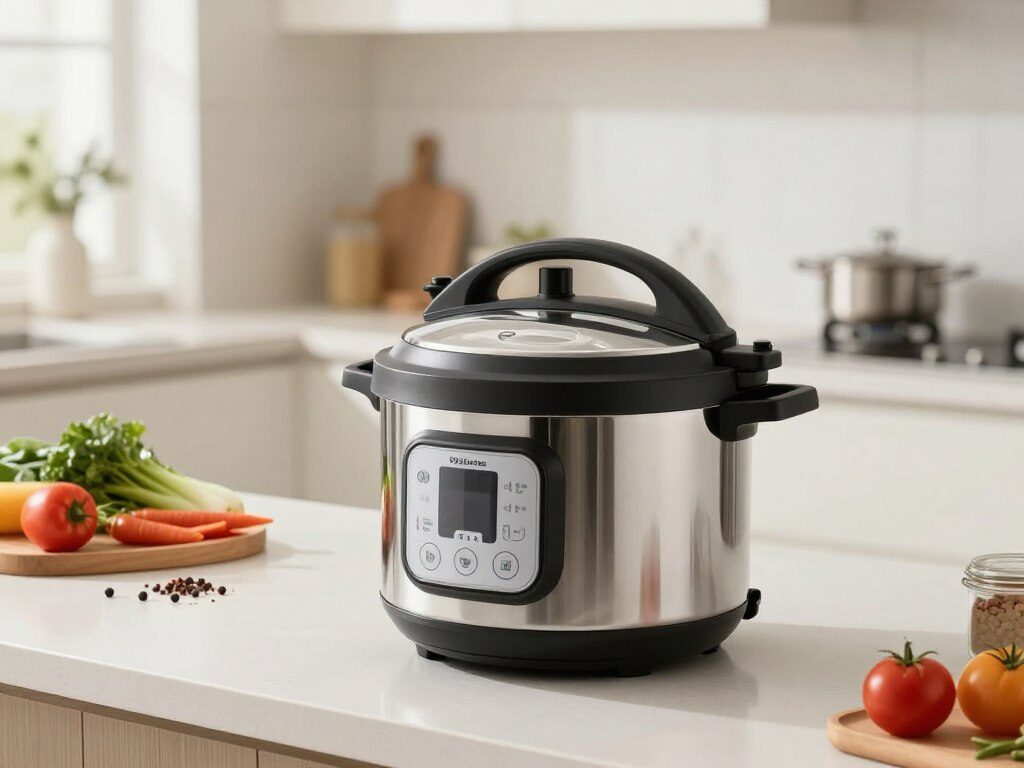
Best budget pick: Cosori 6-Quart Pressure Cooker
Why buy it: impressive results for beans, rice, and chicken at a low price. The nonstick inner pot makes cleanup easy, but long-term durability is the tradeoff.
| Model | Type | Best for | Notable feature |
|---|---|---|---|
| Instant Pot Rio | Electric | Beginners, meal preppers | Steam release switch, anti-spin pot |
| T-Fal Clipso | Stovetop | Hands-on cooks, speed | Wing-lock lid, clear vent |
| Cosori 6-Quart | Electric (budget) | Apartment cooks, value buyers | Easy cleanup, nonstick pot |
Why Pressure Cooking Still Belongs in a Modern US Kitchen
We’re not buying the hype—just the physics. High-temperature steam shortens long braises and softens tough beans far faster than a low simmer. That means many hour-long stews hit the table in about 30 minutes total.
Weeknight wins: reliable beans for tacos or chili, fluffy rice for grain bowls, quick braises for sandwiches, and stews that don’t need babysitting.
Higher temperatures under sealed conditions also force flavors to meld faster. The result can taste like it simmered all day—without overnight planning. We saw that with beans, rice, chicken, and pulled pork in our tests.
Practical note: these tools speed batch meal prep. Make big batches on a weeknight and portion for lunches. It turns a weekend chore into a routine.
Limitations: you won’t get the same caramelized top from a long uncovered simmer. Use searing before or after to add brown flavor. In short: this is a powerful tool, not a magic trick.
Electric Pressure Cookers vs Stovetop Pressure Cooker Models
Choosing between electric and stovetop models comes down to how much control you want and how quickly you need dinner.
Convenience and programs in electric units
Electric pressure devices bundle timers, preset settings, and keep-warm functions. That means less thinking and fewer mid-cook adjustments.
If you use slow cook, sauté, or yogurt options regularly, these multi-function units earn their counter space. If you only need fast braises, the extras feel like bloat.
Speed and control in stovetop gear
Stovetop models hit higher force faster. In our tests beans reached done in about 12 minutes and chicken in ~20 minutes. Electrics took longer—about 20 and 30 minutes respectively.
What psi actually means
Stovetop units run near 15 psi while electric ones sit around 12 psi. Higher psi equals faster cooking because the sealed pot reaches hotter temperatures.
Who should pick which type
- Beginners or busy households: electric models for presets and auto-timers.
- Hands-on cooks and speed-seekers: stovetop models for faster ramp and direct heat control.
| Feature | Electric | Stovetop |
|---|---|---|
| Typical psi | ~12 psi | ~15 psi |
| Come-to-pressure time | Longer (adds ~8–10 min) | Shorter (adds ~3–5 min) |
| Programs / settings | Slow cook, steam, sauté, timers | Manual flame control, simple venting |
How We Tested Pressure Cookers for This 2026 Roundup
I built a handful of strict tests to cut through marketing fluff and prove results. Each trial used repeatable quantities and timings so you can replicate our work at home.

Dried beans test
We cooked 2 cups of dried, unsoaked white beans in each pot. The goal: tender but intact beans—no paste, no chalky centers.
Success looked like: whole skins, even softening, and a firm but yielding bite.
Whole chicken test
Whole birds went in with water for 15 minutes at high setting. We judged meat for pull-apart tenderness without stringy, waterlogged texture.
Rice test
Short-grain sushi rice was the truth serum. Poor heat control shows up as gluey grains or scorched bottoms. Good units delivered separate, fluffy rice fast.
Caramelized onions test
We sautéed onions to check sear modes and heat conduction. Even browning and no cold spots under the base signaled a pot you can use for more than sealed cooking.
Slow-cooker pulled pork
For electric multi-function models we ran a low-and-slow pulled pork recipe to confirm the “multi” works. Tender, moist pork without dryness was the benchmark.
| Test | Input | Metric | Pass criteria |
|---|---|---|---|
| Beans | 2 cups dried, unsoaked white beans | Texture after set time | Intact skins, no chalky centers |
| Whole chicken | 1 whole chicken, 15 min high | Meat tenderness & texture | Pull-apart, not stringy |
| Rice | Short-grain sushi rice | Grain separation, bottom scorch | Fluffy grains, no glue or scorch |
| Onions (sear) | 3 onions sautéd | Even browning, hot spots | Uniform caramelization, no cold zones |
| Slow-cooker pork | Pork shoulder, low 6–8 hrs (electric) | Moisture, pull-apart | Tender, moist without dryness |
We logged total cook time, actual settings used, and perceived heat control across models. For full methodology and extended notes, see our broader testing overview at our testing guide.
What to Look For in the Best Pressure Cookers
Skip the marketing—look for real-world features that make daily use less annoying. We care about cooking results, safety that actually calms you, and parts you won’t dread cleaning.
Quality results and timing
Consistent cooking across beans, rice, and meat is non-negotiable. A top model nails texture without guesswork.
Watch two clocks: come-to-pressure time and the at-pressure cook time. Recipes often hide the first clock—so totals matter for weeknights.
Safety and user controls
Look for a locking lid and a controlled steam release. A clear indicator and a confident valve design reduce the intimidation factor.
Good interfaces cut mistakes. When icons and lights are obvious, you get fewer undercooked meals and less scorched rice.
Cleaning and long-term value
Gaskets and small valves trap residue. Dishwasher-safe parts are a real quality-of-life win.
Value means weighing stainless inner pots for durability versus nonstick ease—and matching that to the price you’ll actually live with.
- Performance: reliable results for proteins, grains, legumes.
- Time: fast come-to-pressure and predictable at-pressure time.
- Safety: locking lid, clear steam direction, safe pressure release.
- Controls: readable interface and simple presets.
- Cleaning: removable valve/gasket, dishwasher-safe parts.
- Value: build quality beats gimmicks; durability matters.
| What to check | Practical sign | Why it matters | Quick test |
|---|---|---|---|
| Seal & lid | Easy lock, tight fit | Prevents leaks and inconsistent heat | Seal closes and opens without force |
| Valve & release | Detachable valve, controlled release | Safer venting and easier cleaning | Valve comes off for scrubbing |
| Controls | Clear readout, few icons | Reduces user error | Can set cook time blindfolded (almost) |
| Inner pot | Stainless vs nonstick | Durability vs easy cleanup | Check weight and finish |
Best Electric Pressure Cooker Overall: Instant Pot Rio
Out of the electric lineup, one model stood out for being obvious to use straight from the box. We mean real-world simplicity: a pressure button, arrow keys, and clear presets that don’t require a manual deep-dive.
Why it won
The interface is intuitive. Soup, meat, beans, rice, poultry, and eggs are one-button presets. The steam release is a switch, not a fiddly knob—more controlled venting in a small kitchen.
Stainless steel inner pot benefits
The Rio ships with a stainless steel inner pot. That matters. It lasts longer than nonstick and won’t flake after a year of utensils and scrubbing.
Stainless steel also handled sautéing evenly in our test and gave the pork shoulder a proper slow-cook finish.
Design details that matter
The base has an anti-spin finish so stirring and scraping stay put. Lid fins let you store the lid upright without drips across the counter. The unit is slimmer than the Duo but gives more cooking surface.
Tradeoffs
No device is perfect. Manual low-pressure control is limited—low pressure is mainly available through presets. And the inner pot is not stovetop- or oven-safe, so you can’t finish dishes directly on heat.
- Who should buy: most US households wanting consistent electric pressure results and easy daily use.
- Who should skip: hands-on cooks who need full manual low-pressure control or an oven-safe inner pot.
| Feature | Rio performance | Practical note |
|---|---|---|
| Ease of use | High | Simple controls, quick presets |
| Inner pot | Stainless steel | Durable, not oven-safe |
| Steam release | Switch-based | Safer, controlled venting |
Best Stovetop Pressure Cooker Overall: T-Fal Clipso Stainless Steel
The T‑Fal Clipso strips away the intimidation of stovetop models with one-hand locking and a clear, no-nonsense interface.
Locking lid made simple
The lid uses wing clips and a top button so you lock it with one hand. A red side button releases the lid without a wrestling match.
What locked feels like: a soft click and no wobble—enough to stop you second‑guessing before you heat the pot.
Venting, valve positions, and when to use each
Turn the valve to the carrot/meat icon to build pressure. Flip it to the steam setting to vent. That small step prevents the common mis‑venting mistake.
Cookware build and daily use
The tri‑layer stainless steel bottom gives even heat and real sear potential. You get fewer cold spots and better browning before sealing the lid.
It runs nearly silent compared with rattling competitors. Remove the gasket and valve, and most parts are dishwasher safe.
| Feature | Clipso result | Why it matters |
|---|---|---|
| Lid mechanism | Wing clips + release button | One‑hand use, less fuss |
| Valve | Cook / steam positions | Clear venting control |
| Bottom | Tri‑layer stainless steel | Even heat, good sear |
Best Budget Electric Pick: Cosori 6-Quart Pressure Cooker
The Cosori 6‑quart stood out for giving serious results without a premium price tag. It arrived ready to use and matched the Rio on beans, chicken, rice, and slow‑cooked pork in our tests.
Performance is the headline here. Beans came tender without soaking. Rice cooked fluffy. Whole chicken shredded cleanly, and pork hit tender in low‑and‑slow runs.
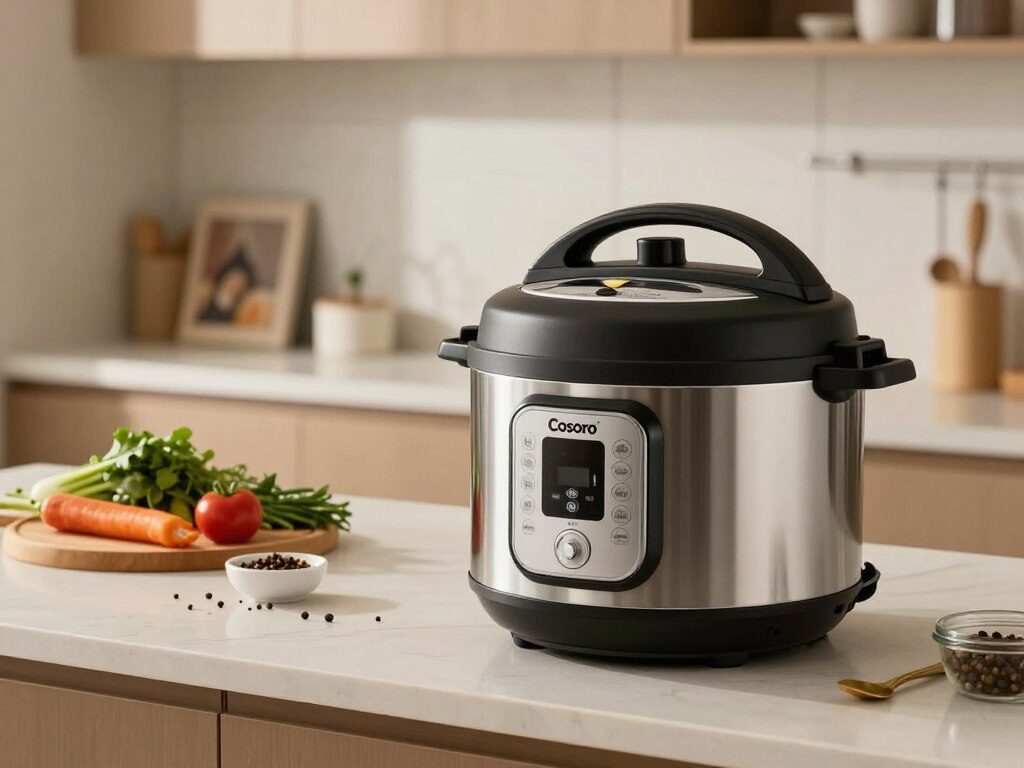
Cleanup is a real plus. The nonstick inner pot wipes clean and shrinks post‑meal chore time. That’s the convenience budget shoppers love.
But there’s a catch: build quality and long‑term durability lag pricier units. The PTFE coating scratches if you use metal utensils. Treat the surface gently or you’ll force a replacement sooner than you expect.
Who should buy it? If you prize low cost, fast weeknight cooking, and easy cleanup, this cooker is a smart value pick. If you want a long‑haul appliance, spend a bit more for stainless and sturdier construction.
| Feature | Cosori result | Why it matters |
|---|---|---|
| Price vs Rio | About $20–$30 less | Good value for similar core performance |
| Core tests | Beans, chicken, rice, pork: passed | Delivers reliable everyday food |
| Inner pot | Nonstick (PTFE) | Easy cleanup; avoid metal tools |
| Durability | Lower long-term | Care needed to extend life |
Upgrade Pick: Instant Pot Pro for Sous Vide, Presets, and a More Flexible Inner Pot
We think an upgrade should add real capability, not just buttons. The Instant Pot Pro delivers that in parts: true high/low pressure control, saved custom settings, and built‑in sous vide functions for precision cooking.
What you get
Control: The Pro offers selectable high and low pressure and the ability to save presets you actually use. That matters when you want repeatable results.
Sous vide and expanded programs
The unit includes a proper sous vide mode. Use it for steaks, veggies, or batch proteins without buying a second device. App connectivity and an LCD make programming easier—when you figure the steps.
Inner pot upgrades
Real flexibility: The Pro ships with an inner pot that is stovetop and oven safe and has stay‑cool handles. That one change improves prep and cleanup more than a cosmetic feature list.
Why it didn’t beat the Rio
We liked the extra functions, but the interface confuses preheat vs pressure cycles. That confusion led to a liquid‑loss incident when beans scorched (user error made easy). The pressure release is louder than the Rio’s, too—claims of quiet aren’t always true in a real kitchen.
- Who should upgrade: cooks who will use sous vide and want an oven‑safe inner pot.
- Who should skip: buyers who want a simple, foolproof electric pressure cooker with a gentler learning curve.
| Feature | Instant Pot Pro | Why it matters |
|---|---|---|
| High/Low control | Yes | Repeatable textures for meat and beans |
| Sous vide | Built‑in | Precision cooking without another appliance |
| Inner pot | Stovetop/oven safe, stay‑cool handles | Easier searing and oven finishing |
| User interface | LCD + app | Flexible but steeper learning curve |
Also Great: Our Place Dream Cooker for Easy Cleaning and Countertop Style
The Dream Cooker sells on style first—so we focused on whether it earns that price in real use. We ran it through the same beans, rice, and slow-cook trials we used elsewhere. The results were solid. It is not just a pretty appliance.
Ceramic nonstick inner pot: quick cleanup and real performance
Cleanup is excellent. The ceramic inner pot wipes clean and handled slow cooking without sticking. That ease makes post-meal life noticeably better.
Where it can frustrate: minimal interface and preheat ambiguity
The interface is deliberately minimal. That looks neat. But minimal can mean unclear—especially during preheat. We saw wasted time and a couple of surprise vents when the unit switched modes without an obvious cue.
Long-term considerations: coating wear and the price tag
The ceramic coating feels great now but may thin with regular use. Durability is an open question. At roughly $200—about twice the Instant Pot Rio—buying in is about valuing design and cleanup over long-term robustness.
- Who it fits: buyers who want easy cleaning and a stylish countertop piece.
- Who should skip: anyone who needs absolute durability or a fully explicit interface.
| Feature | Dream Cooker result | Why it matters |
|---|---|---|
| Inner pot | Ceramic nonstick | Fast cleanup; watch for wear |
| Cooking performance | Passed beans, rice, slow-cook | Not style-over-substance |
| Interface | Minimal — sometimes unclear | Preheat ambiguity can slow cooks |
| Price vs Rio | ~$200 | About two times the Rio; value depends on priorities |
Also Tested and Liked: Fissler Vitavit for Premium Stovetop Performance
The Fissler Vitavit shows what premium stovetop engineering looks like in everyday use. It isn’t magic—you’re paying for better materials, clearer feedback, and tighter tolerances. That matters when you care about repeatable results and real cookware feel.
Gauge readability: green / yellow / red indicators
The color gauge is a real win. The green/yellow/red indicators make it easy to keep the unit in the sweet spot without guessing. You see when psi climbs or falls at a glance, which cuts down on flaring or undercooking.
Build quality: heavy-bottom stainless steel for browning
The Vitavit’s heavy-bottom stainless steel body sears and browns like a dedicated pan. That means you can caramelize, deglaze, then seal—without switching pots.
The catch: high cost and hands-on monitoring
It’s expensive—expect roughly $300–$450. That price buys engineering and materials, not automation.
You must still tend the flame and watch the gauge. This is a stovetop tool for cooks who enjoy dialing in heat, not for someone who wants set-and-forget convenience.
- What you’re paying for: engineering, durable steel, and tactile feedback.
- Usability: clear valve, confident lid lock, and an intuitive release button (watch your hands—steam is close).
- Who it fits: serious stovetop cooks who value searing and control.
| Feature | Fissler Vitavit | Why it matters |
|---|---|---|
| Gauge | Green / Yellow / Red | Quick visual pressure control |
| Material | Heavy-bottom stainless steel | Even heat and strong browning |
| Valve & lid | Clear valve, secure lock | Safer venting; less second-guessing |
| Price | $300–$450 | Premium cost; narrow value case |
Pressure Cookers We Don’t Recommend
Some models look smart on paper but waste your time in the kitchen. We call them out bluntly—because a spotty seal or fiddly setup erodes confidence faster than a bad recipe.
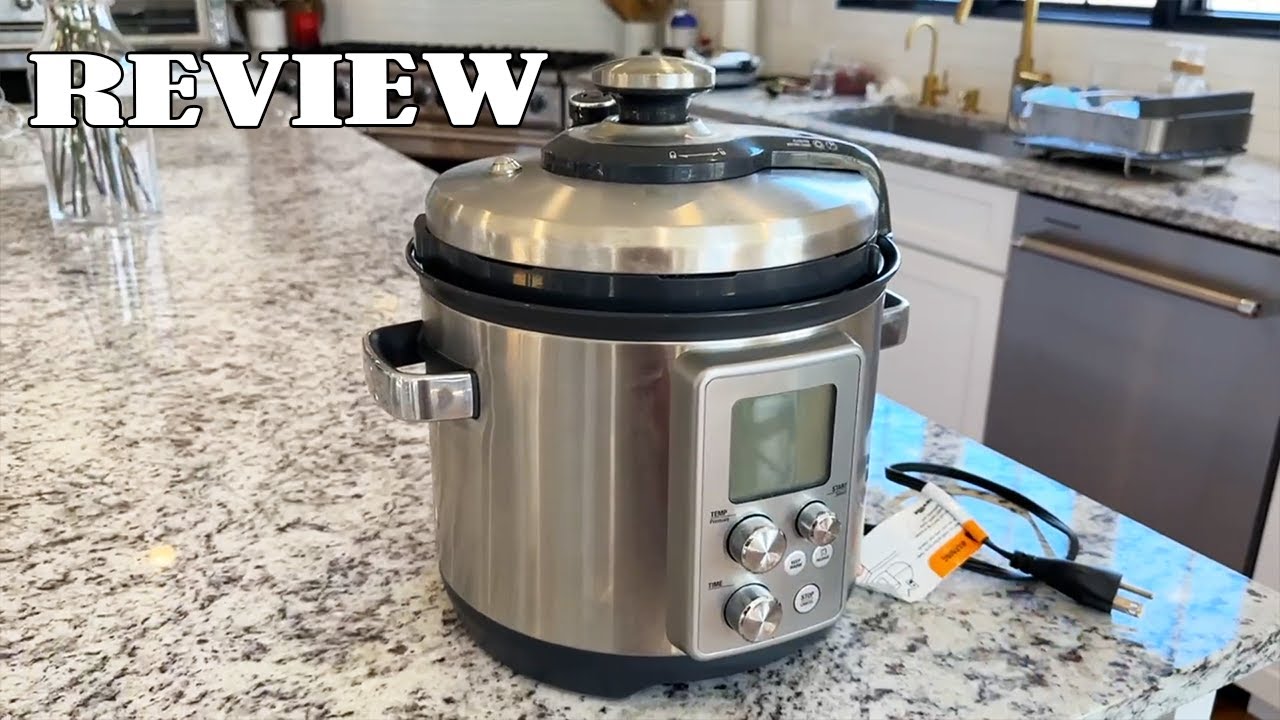
Breville Fast Slow Go
Why we’re down: the breville fast slow has a terrific interface and helpful presets. Sadly, the lid and seal can behave unpredictably.
You may wait through preheat only to find the unit never built proper pressure. That silent failure costs time and wrecks a dinner plan. For a premium breville fast model, that’s a bad tradeoff.
In short: great settings, inconsistent sealing—don’t buy a high-priced cooker that makes you re-run cooks.
Presto stovetop models
Some presto stovetop models ship with the most assembly and the fiddliest handles. You need screwdrivers for parts that should be ready out of the box.
That extra setup raises the barrier for new users. If a pot makes you triple-check alignment each time, you’ll use it less.
- Practical takeaway: a cooker that requires constant finessing is more expensive than its price tag—because you stop using it.
- We recommend: choose models that seal reliably and arrive ready to cook, not ones that demand tinkering before first use.
| Model | Main issue | Why it matters |
|---|---|---|
| Breville Fast Slow Go | Unreliable seal | Wastes preheat time; premium price |
| Presto stovetop models | Extra assembly | Friction before first use; off-putting for beginners |
| Common result | Lost time | Less trust; appliance sits unused |
Choosing the Right Size, Inner Pot Material, and Design for Your Cooking
Size and inner pot choice decide whether your daily meals are easy or a chore. Start by matching capacity to how you cook. A 6-quart is the mainstream sweet spot for most U.S. homes: enough for beans, a pot of rice, or soup without taking over the counter.
If you cook for one or two, a 4-quart saves space. If you batch‑cook, roast large cuts, or feed a family, step up to an 8‑quart.
Material tradeoffs made blunt
Stainless steel lasts, resists stains and odors, and handles searing and high heat without complaint. It’s the go‑to for durability.
Aluminum heats fast and is light, but build quality varies; thin aluminum can warp and lose even heat over time.
Nonstick wins for cleanup but is a wear item. Add gasket and valve maintenance, and you’ve increased the chores if the coating fails.
Design details that actually matter
- Anti‑spin bases keep the inner pot steady while stirring.
- Wide usable surface improves browning before you seal the lid.
- Sturdy handles (and oven‑safe designs like the Pro’s) make lifting safer and more versatile.
| Feature | Why it matters | Which habit benefits |
|---|---|---|
| 6‑quart pot | Versatile volume for weeknights | Small families, meal preppers |
| Stainless steel inner pot | Longevity and sear potential | Frequent searing and heavy use |
| Nonstick inner pot | Easy cleanup; replaceable | Low‑effort cooks who dislike scrubbing |
Practical rule: pick the material and size that fit how you cook, not the ads. We favor stainless for long term value, aluminum for speed, and nonstick only if you accept eventual replacement.
Steam Release, Valves, and Lids: Safety Features That Actually Affect Daily Use
How steam leaves the pot matters more than most marketing claims admit. In real kitchens this is where confidence or hesitation begins.
Natural vs quick release — when to use each
Natural release is gentle. Use it for beans, rice, and fatty roasts to avoid foaming and splatter.
Quick release stops cooking fast. Use it for vegetables or when a recipe demands immediate halt. Be warned: quick release sends a sharp blast of steam—stand back and protect hands.
Venting ergonomics and hand placement
Where the steam exits determines safety. A top-side valve that vents away from your face is preferable.
Watch models that vent near the lid hinge; they can surprise your hands. The T‑Fal design with clear cook vs steam positions reduces that risk in everyday use.
Seals, gaskets, and lid reliability
A worn gasket causes longer come-to-pressure times and leaks. Replace cracked or flattened seals; the symptom is escaping steam at the lid edge.
Good valve design—clear positions and removable parts—makes cleaning easy and lowers the chance of failed seals.
Noise and comfort
Expect some hiss on release. Rattling or whistling is common on stovetop units; quiet venting is a quality-of-life feature worth paying for.
Short rule: the safest cooker is the one you can operate confidently and repeatably without second-guessing the lid every time.
| Feature | Natural release | Quick release | Ergonomics |
|---|---|---|---|
| Best use | Beans, roasts, rice | Veggies, stop-cook moments | Valve placement away from hands |
| Risk | Longer cook time | Steam blast, splatter | Vents hitting cabinets or hands |
| Design win | Secure gasket, slow vent | Detachable, clear valve | Top/away vent and quiet release |
How to Get the Best Results: Pressure Cooking Tips for Beans, Rice, and Meat
Good results start with a clear plan: time, water, and a release method that matches the food. I’ll keep this short and practical so you can use it tonight.
Beans without soaking: timing, water ratios, and texture control
Use plenty of water—about 3 cups per 1 cup beans. In our tests, most dried beans hit the right texture at 15–20 minutes at high setting.
Let them sit with a natural release for 10–15 minutes. That gentle finish reduces split skins and a pasty result.
Rice that’s fluffy, not gluey: settings, rest time, and release choices
For short-grain rice, use a little less water than stovetop—roughly 1:1.1 rice to water by volume. Use a low or delicate program if your electric model has one.
After cooking, rest 8–10 minutes with the lid closed. Quick release can cause uneven texture—use gentle release when possible.
Tender meats without overcooking: time at pressure and carryover heat
For whole chicken we used 15 minutes at high. Stop the cook early if the meat is near done; carryover will finish it.
Rule of thumb: shorter time + natural rest often beats longer pressure holds that turn meat stringy.
- Settings: presets are fine, but learn what they change so you can tweak time and water.
- Safety: vent away from hands, check seals, and never force the lid.
| Food | Water ratio | Cook time |
|---|---|---|
| Beans | 3:1 cups water:beans | 15–20 min high + 10 min rest |
| Rice | 1:1.1 rice:water | Short rest 8–10 min |
| Whole chicken | 1–1.5 cups liquid | 15 min high + natural rest |
Conclusion
What matters most is not raw capability but how a cooker behaves when you’re short on time and patience. In our tests most pressure cookers and pots delivered great beans, rice, and meat. The winners separate by design, build, and daily comfort.
For electric buyers, the Instant Pot Rio is the easiest daily pick. Stovetop fans get the T‑Fal Clipso for speed and control. Budget-minded cooks will like the Cosori if you accept nonstick tradeoffs.
Choose electric pressure models for presets and lower-effort workflow. Pick stovetop for faster cook times and higher pressure performance.
Prioritize a clear steam release, a trustworthy seal, removable valves and gaskets, and an inner pot material that fits how rough you are with gear. Ignore overblown features—buy the device you’ll reach for on a Tuesday night, not the flashiest model on the shelf.