Kate Donovan
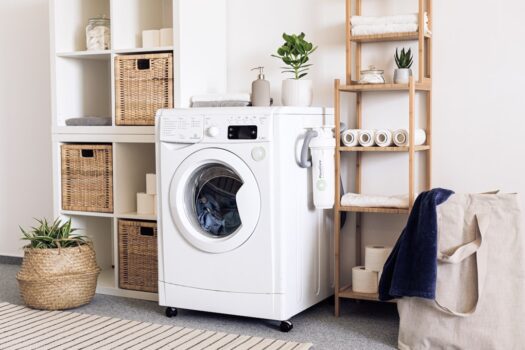
A fresh scent is not the same as a clean machine.
The drum gleams, the door looks spotless—and the next load still comes out smelling like a damp towel. That mismatch usually means odor is developing out of sight, where moisture, detergent residue, lint, and skin oils collect.
Common hiding places include the door gasket, detergent drawer, pump filter, sump, and drain hose. Front-loaders are especially prone to damp folds around the seal, while any machine can develop buildup after frequent cool washes or excessive detergent. A sour or musty smell often points to residue and microbial growth; a sewage-like odor may suggest stagnant drain water or a plumbing issue. Scent beads, perfumed cleaners, and fabric softener can mask the smell briefly, but recurring odor calls for removing the buildup—and checking the drainage path—rather than adding more fragrance.
Let the odor narrow the search
A quick smell check can prevent wasted scrubbing. Check the empty drum, rubber door seal, detergent drawer, filter area, and drain hose connection; the strongest location often reveals the source.
- Musty or moldy: Moisture is lingering in the door gasket, dispenser, or closed drum. Lint, hair, and detergent film give mildew a place to grow, especially after frequent cool washes.
- Sour or sweaty: Old detergent, fabric softener, body oils, or forgotten wet laundry may have formed a sticky biofilm. Overdosing detergent can make this worse because excess suds do not always rinse away.
- Rotten egg: Stagnant water or bacterial growth may be sitting in the pump filter or drain hose. If the odor is strongest near the standpipe—or remains when the washer is empty—a plumbing trap or sewer-gas problem becomes more likely.
Odor alone cannot confirm the fault, but it helps set priorities. Musty and sour smells usually justify cleaning accessible residue first. A persistent rotten-egg smell deserves inspection of both the machine’s drainage path and the household drain.
A burning, hot-plastic, electrical, or strong gas-like odor is not a cleaning problem. Stop the washer and disconnect power only if it is safe. For a suspected gas leak, avoid flames and electrical switches, leave the area, and contact the gas utility or emergency services from outside. Arrange professional appliance or plumbing help before running another cycle.
Why washer odors keep returning
A washing machine can look clean while holding a thin film of detergent, fabric softener, body oils, lint, and soil. Bacteria and mildew feed on this residue, especially when the drum stays damp between loads. Even a washer selected with solid home appliance guidance for first-time buyers needs drying time and routine cleaning.
Cool and short cycles make the problem more likely because they may not dissolve products or flush oily soil as thoroughly as warmer, longer washes. Using more detergent does not compensate; excess suds can carry grime into hidden spaces and leave a sticky coating. Liquid softener is another common contributor because its waxy ingredients tend to cling.
Poor ventilation completes the cycle. A closed door or lid traps humid air, while wet laundry left in the drum raises moisture levels further. Repeated cleaning may offer only temporary relief if these habits remain unchanged.
Front-loading trouble spots
Front-loaders are particularly prone to buildup in the rubber door gasket. Water, hair, and small debris settle inside its folds, often beyond casual view. The detergent drawer, drawer housing, door glass edge, pump-filter area, and low points in the drain system can also harbor residue.
Top-loading trouble spots
Top-loaders lack a large door seal, but grime can collect beneath the agitator or wash plate, around the tub rim, and under the lid. Detergent and softener dispensers may stay wet and develop buildup. On high-efficiency models, low water levels and frequent cool cycles can leave an unseen film on the outer tub, making odors return soon after the visible basket is wiped clean.
-
Check the care manual
Confirm which cleaner, cycle, removable parts, and filter-access procedure are approved for the exact model.
-
Empty the washer
Remove laundry and check the drum or basket for small items that could obstruct drainage.
-
Gather gentle tools
Use microfiber cloths, a soft toothbrush or nylon brush, mild dish soap, gloves, and a shallow towel for drips.
-
Ventilate the room
Open a window or run an exhaust fan, especially when the approved method uses chlorine bleach.
-
Disconnect power before hand-cleaning
Unplug the machine before reaching into gasket folds, dispenser housings, or other recessed areas. Reconnect it only when ready to run a cycle.
Avoid abrasive pads, metal tools, pressure spraying, and vigorous probing of small ports.
Never combine chlorine bleach with vinegar, ammonia, descaler, or another washer cleaner. Mixing products can release dangerous fumes or damage seals and metal components.
If the manual specifies a commercial tablet, bleach dose, or dedicated tub-clean cycle, follow that single method and its stated amount.
Clear residue without driving it deeper
-
Clean removable dispensers
Soak manual-approved removable cups or trays in warm, soapy water, then brush and rinse them. Wipe the empty housing with a damp cloth rather than flooding it or pushing a brush into supply openings.
-
Wipe front-loader hiding places
Gently pull back each rubber door-gasket fold and remove lint, hair, and film with a cloth. Clean the door glass and gasket face; wipe drain openings lightly without forcing debris into them.
-
Clean top-loader residue zones
Wipe beneath the lid, around the tub rim, and under the edge of the basket opening. Clean bleach and softener dispensers carefully; remove agitator caps or center dispensers only when the manual permits it.
-
Service an accessible filter cautiously
Open a pump or lint filter only if it is identified as user-serviceable. Place towels and a shallow tray underneath, drain slowly, and remove debris by hand instead of poking it back into the hose.
-
Run the approved cleaning cycle
Reconnect power, add the approved cleaner in the specified location, and run the designated tub-clean or hottest permitted empty cycle. Do not add laundry or a second cleaning product.
-
Rinse, dry, and inspect
Run an extra rinse only if recommended or residue remains. Wipe all surfaces dry and leave the door or lid and dispenser ajar; persistent sewage-like odor or standing water may require drain or service inspection.
Do not dismantle fixed tub rings, gaskets, agitators, or panels to chase odor.
Clear the drain path safely
-
Check the manual before opening anything
Some washers have an owner-serviceable pump filter behind a lower access door; others do not. If the manual provides no cleaning procedure, avoid removing panels or forcing a sealed filter.
-
Prepare for trapped water
Switch off and unplug the machine, then let hot water cool. Place towels and a shallow tray beneath the access point; several refills may be needed.
-
Drain slowly
Use the emergency drain tube if fitted. Otherwise, loosen the filter cap gradually so water escapes in a controlled trickle rather than flooding the floor.
-
Clean the serviceable filter
Remove lint, coins, hair, and other debris, then wipe the filter cavity where safely reachable. Refit the filter squarely and tighten it only as directed to protect the seal.
-
Inspect the external drain hose
Straighten kinks and confirm the hose sits at the manual-specified height and insertion depth. A hose pushed too far into the standpipe, fitted airtight, or positioned too low can encourage siphoning or wastewater backup.
After reassembly, check the access cap and hose connections for leaks during the next drain.
Use only a cleaner and dose approved for the model. Do not combine bleach, vinegar, ammonia, descaler, detergent, or washing-machine cleaner. Even products added at different times can react if residue remains in the dispenser or drum. More cleaner is not more effective; excess can leave fresh film and create extra suds.
Complete the approved maintenance cycle
-
Empty the washer
Remove all laundry and check the drum for loose items. Maintenance cycles are normally intended for an empty machine.
-
Identify the correct program
Select Tub Clean, Drum Clean, Self Clean, or the equivalent named in the manual. If no dedicated cycle exists, use only the empty-cycle temperature and settings specified by the manufacturer.
-
Choose one approved cleaner
Use the recommended product type—such as a washer-cleaning tablet, liquid chlorine bleach, or no additive at all—and place it in the stated compartment. Measure the prescribed amount rather than estimating.
-
Let the full cycle finish
Avoid pausing the program or adding detergent. Run an extra rinse only when the manual or cleaner instructions call for one, especially if foam or residue remains.
-
Dry and verify
Wipe away loosened residue, then leave the door or lid and dispenser open where safe. A test drain or short rinse can confirm normal flow and reveal leaks before the next load.
Persistent standing water, pump noise, repeated drain errors, or sewer-like odor may require appliance or plumbing service.
What actually keeps washer odors away
Overdosing often creates more odor-holding film, especially in soft water and efficient machines.
Use the detergent amount recommended for the load, water hardness, and washer type. Concentrated formulas may require far less than a full cap.
Ventilation helps, but it cannot remove buildup or correct slow drainage.
After the final load, remove damp laundry promptly, wipe moisture-prone seals, empty removable dispenser cups, and leave the door or lid ajar only when safe.
Only washer-safe products and manufacturer-approved cycles should be used.
Bleach, acids, ammonia, and commercial cleaners should never be mixed. Households relying on cool or short cycles may need maintenance cleaning more often, following the manual’s schedule.
Persistent sewer-like odor, standing water, leaks, drain errors, or unusual pump noise can indicate a fault beyond routine cleaning.
Stop repeated treatments and arrange appliance service when draining remains incomplete or errors return. If the odor comes from the room drain rather than the washer, a plumber may be appropriate.
Freshness comes from a clean, dry system
A lasting result requires four things: remove product film, restore free drainage, control trapped moisture, and adjust everyday laundry habits. Detergent dosing and maintenance frequency should reflect load size, water conditions, cycle choices, and the manufacturer’s instructions.
If water remains after draining, faults recur, leaks appear, or sewer-like odor persists, routine cleaning has reached its limit. Timely appliance service—or plumbing help when the room drain is responsible—is safer than repeated chemical treatments.