Kate Donovan
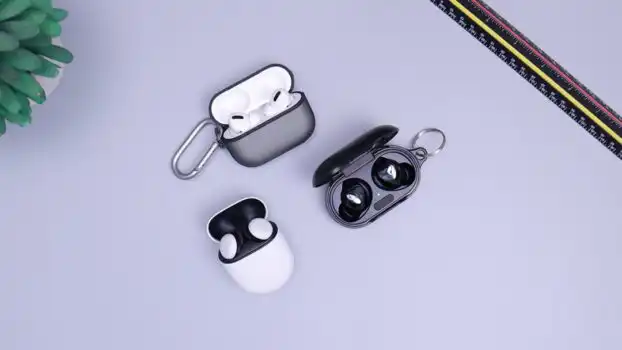
A tiny ear tip cannot fix an earbud housing that has nowhere comfortable to sit.
A few blocks into a walk, one earbud begins creeping outward. Lunch makes it worse: every movement of the jaw shifts the seal until the music sounds thin—or the bud drops loose. A tighter fit may stop the slipping, but it can replace that annoyance with aching pressure during a long podcast or commute.
The complication is that “small ears” can mean a narrow ear canal, a shallow outer ear, or both. Smaller silicone tips help only with the canal seal. The earbud body must also fit inside the concha without pressing hard against cartilage, while its weight and shape affect how readily it moves. Wings and hooks can improve stability for exercise, but the most comfortable everyday option is often simply a compact, lightweight shell.


A five-part test for a secure fit
A good result requires more than surviving a quick head shake. Each pair is judged from insertion through normal movement, with the broader electronics buying and compatibility guidance covering device-related considerations beyond fit.
The tips should form a consistent seal without deep insertion, then retain it during brisk walking, stair climbing, and several deliberate head turns. Repeated loosening or bass loss counts against stability.
Talking, smiling, and chewing reveal whether the shell shifts as the jaw moves. Playback controls should also work without a press driving the earbud deeper or breaking the seal.
After roughly an hour, secure earbuds should avoid sharp canal pressure, rubbing against the outer ear, or a growing urge to readjust. Mild awareness is acceptable; soreness is not.
These checks favor repeatable security over an unusually perfect first insertion.
A compact shell can reduce pressure on a shallow or crowded outer ear, making long listening easier. However, less contact with the ear may also mean less leverage against bouncing and twisting during exercise.
Wings and hooks can provide that missing anchor, but anatomy remains decisive. Canal angle, concha depth, and even left-to-right differences mean the most secure design on paper may still need a tip change—or may simply suit another ear better.
JLab JBuds Mini — the safest first try for petite ears
01
Best overall balance of size, features, and price
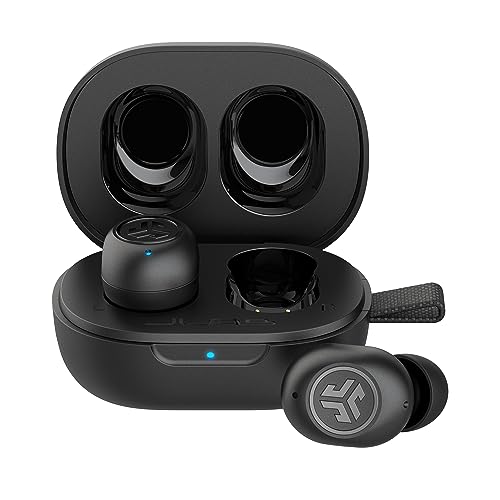
When conventional earbuds press against the outer ear, the JBuds Mini make a sensible starting point. Their compact shells sit less intrusively in shallow ears, while the equally small case disappears easily into a pocket. They are especially well suited to commuting, desk listening, and other everyday wear where comfort matters more than maximum athletic grip.
- Compact shells reduce outer-ear pressure
- Pocket-friendly charging case
- Multipoint supports two devices
- IP55 sweat and dust resistance
- No added stabilizer for intense exercise
- 5.5-hour earbud battery is adequate, not exceptional
- Secure fit still depends on tip choice
Quick take A notably unobtrusive option for listeners overwhelmed by standard earbud shells. The fit favors low-key daily use over aggressive movement.
The JBuds Mini are the most approachable first choice when physical size is the main problem. The compact fit, 20-hour total battery life, multipoint, and three EQ modes make them practical beyond comfort alone. IP55 protection handles sweat, but runners and gym users may still prefer wings or hooks for extra retention.
Back Bay Tempo 30 — a lower-commitment small-ear pick
Top choice for highly reviewed small-ear comfort
The Tempo 30 makes sense when the main problem is bulky earbuds, not demanding workout stability. Its conventional true-wireless design is aimed at smaller ear canals without requiring a premium-level commitment.
That positioning suits commuting, errands, and casual listening. Bass Mode offers an easy change of flavor, while the sweatproof build provides some reassurance for everyday movement.
- Small in-ear footprint
- Optional Bass Mode
- Sweatproof construction
- Lower-cost entry point
- Less anchored than sports designs
- No wing or hook support
- Bluetooth 5.0 is dated
Beats Powerbeats Fit — built for repeated motion
Best for active listeners who prioritize stability
The Powerbeats Fit is the premium, training-first option for runners and gym regulars who find ordinary earbuds gradually work loose. Its wingtip design is intended to brace against the outer ear, while noise cancellation and broad device compatibility make it practical beyond workouts.
- Wingtips resist workout movement
- Sweat and water resistant
- Active noise cancellation
- Up to 30-hour battery life
- Apple and Android compatible
- Pricier than simpler options
- Wingtips may press small ears
- Sporty fit requires adjustment
- ANC can reduce awareness outdoors
Quick take The anchored design offers more reassurance during bouncing, lifting, and quick direction changes than compact buds relying on tips alone. Especially petite outer ears may find the wing pressure less forgiving.
Powerbeats Fit makes the strongest case when movement security matters more than minimal size. The sweat-ready construction, stabilizing wings, ANC, and polished device support justify the premium positioning, but unusually small outer ears should check for pressure during a full workout before committing.
WUYI Small-Ear Sport Earbuds — hooks for a firmer hold
A low-cost option with standout battery capacity
WUYI takes the most direct route to workout stability: an over-ear hook carries part of the load, rather than asking the silicone tip to resist every bounce through canal friction. That makes the fit feel more mechanically secure during running or gym sessions, especially when ordinary earbuds gradually loosen.
The appeal is straightforward: an inexpensive sports-focused design with an advertised 48-hour total battery capacity, an LED case display, and IP7 water resistance. It suits active listeners who value obvious retention over a discreet shape.
- Hooks provide clear mechanical retention
- Strong value for exercise use
- Long advertised total battery life
- IP7 water-resistance rating
- Bulkier than compact in-ear designs
- Hooks may clash with glasses
- Case is less pocket-friendly
- Hook shape may not suit every ear
GUATTIR Mini Invisible — the discreet comfort pick
Best for discreet listening and side sleepers
The tiny SK18 sits deep and keeps little hardware pressed against the outer ear, making it an appealing niche option for quiet listening at work or while reclining. Its skin-toned, barely visible profile also suits anyone who finds conventional earbud shells conspicuous. The featherweight design is aimed more at low-key comfort than athletic security.
- Minimal outer-ear pressure
- Barely visible when worn
- Designed for side sleepers
- Suited to small canals
- No wings or ear hooks
- Limited evidence from reviews
- Poor match for hard workouts
| Desk use and long wear | Commuting and walking | Running and gym work | Use with glasses | Maximum discretion | ||
|---|---|---|---|---|---|---|

JLab JBuds Mini Compact True Wireless Earbuds
Best everyday balance
|
Excellent compact comfort | Best overall balance | Better for light exercise | No hook interference | Very compact | View |
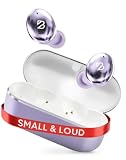
Back Bay Tempo 30 Small-Ear Wireless Earbuds
Value for small ears
|
Good simple comfort | Good for gentle movement | Limited movement security | No hook interference | Compact conventional look | View |

Beats Powerbeats Fit Secure Workout Earbuds
Premium workout pick
|
Secure, possible wing pressure | Very secure with ANC | Excellent active hold | Usually glasses-friendly | Visible sport design | View |
WUYI and Beats are the safer choices for repeated impact. WUYI’s over-ear hooks resist bouncing during runs and gym sessions, while the Beats wingtips add strong retention without wrapping around the ear.
For mixed daily use, JLab offers the clearest compromise: small shells suit desks, commutes, walking, and glasses, yet IP55 protection leaves room for lighter exercise. Back Bay makes more sense as a straightforward value choice for calmer use. GUATTIR is narrower still—its recessed shape favors long, discreet listening rather than vigorous movement.
A repeatable fit check for any earbud
-
Try every included tip
Start with the smallest tip, then work upward. A larger tip is not automatically more secure; the best size seals the canal without stretching it.
-
Fit each ear separately
Ear canals are often slightly different, so using a small tip on one side and a medium on the other is perfectly reasonable.
-
Insert, then twist gently
Place the tip in the canal and rotate the earbud slightly into its resting position. Hooks or wings should sit securely without pulling or creating a pressure point.
-
Check the seal, not just the grip
Music should sound full and outside noise should soften, but there should be no sharp pressure or throbbing. Thin bass often indicates a weak seal; soreness suggests an oversized tip or poorly seated shell.
-
Repeat the test in motion
Talk, smile, walk briskly, and shake the head lightly. If the seal loosens or the earbud creeps outward, reseat it or change the tip before judging its stability.
Skipping audio, failed pairing, charging trouble, and dropouts are technical faults—not evidence of poor physical fit.
For compact everyday use, JLab JBuds Mini is the strongest first choice. Beats Powerbeats Fit suits frequent exercisers seeking a more premium, anchored design, while WUYI’s earhooks provide inexpensive security for running or gym sessions. Back Bay Tempo 30 is the practical small-ear value pick; GUATTIR Mini Invisible favors discreet, low-pressure listening.
Buy from a seller with a flexible return policy, then test the earbuds immediately during walking, chewing, calls, and a normal-length listening session. Persistent soreness or repeated reseating is not an adjustment period—it is a failed fit worth returning.