Kate Donovan
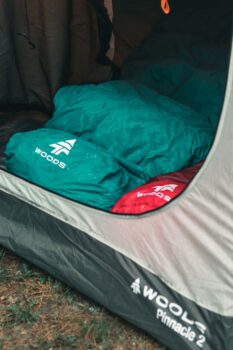
A lighter pack matters less if the bag cannot stay warm through the night.
At dawn, condensation on a tent wall can leave a sleeping bag’s outer fabric clammy. A little surface moisture is usually manageable: down packs smaller and weighs less for its warmth, especially when the bag can be aired out during the day. But if moisture reaches the fill, down loses loft and warmth.
Synthetic insulation is bulkier, yet it tends to hold more of its loft when damp. It still needs drying and a weather-resistant shelter; it is not waterproof. The deciding question is how long the bag might stay damp. For one chilly night with occasional condensation, protected down can be a comfortable choice. For several wet nights with no drying window, synthetic is the more forgiving bet.
Choose for the conditions


| Insulation | If damp | Pack priority | ||
|---|---|---|---|---|

ALPS Blaze Synthetic Mummy Bag for Winter Camping
Repeated damp nights
|
Synthetic | More forgiving | Drying flexibility | View |

Naturehike RDS Down Mummy Bag for Backpacking
Smaller dry-weather pack
|
650-fill down | Protect from moisture | Less bulk | View |

AKMAX Goose Down Mummy Bag for Climbing
Lower-priced down
|
Down | Protect from moisture | Down at lower cost | View |
None of these picks is a blanket claim of superior warmth. Compare the exact bag’s comfort rating with the expected overnight low, and allow for a suitable insulated sleeping pad. The supplied listings give conflicting temperatures for the Blaze and AKMAX; Naturehike ratings vary by model. Confirm the rating on the version being purchased.
Warmth when the bag gets damp
Down clusters trap plenty of insulating air for their weight, so a down mummy bag generally packs smaller than a synthetic bag with comparable warmth. That space saving matters when a cold-weather pack also holds extra layers and a bulky shelter. The Naturehike RDS and AKMAX goose-down bags sit on the compact side of this trade-off; the ALPS Blaze synthetic bag is likely to take up more room.
Humid air and a little condensation are not the same as a soaking. A damp tent wall or a few drops on the bag’s shell need not flatten the insulation, especially if the bag can be aired in the morning. Saturated down is another matter: its clusters clump together, lose insulating loft, and may take a long time to dry fully.
Synthetic fill loses warmth when wet, too, but its fibers tend to hold more loft and dry faster. Neither fill makes a soaked sleeping bag safe to rely on in freezing conditions. Over several damp nights with little chance to dry gear, synthetic’s more dependable loft can matter more than a modest weight saving.
For either type, a waterproof pack liner helps prevent the worst-case soaking. Air the bag after use and store it loose rather than compressed. Follow the maker’s washing instructions: down needs thorough drying to regain its loft, while synthetic is generally less fussy but can flatten with repeated hard compression.
ALPS Blaze: a synthetic mummy bag for damp cold-weather trips
Synthetic insulation and draft protection for cold trips.
The ALPS Mountaineering Blaze is a synthetic mummy bag worth considering when tent condensation, damp clothing, or several nights without a good drying opportunity are likely. Its TechLoft Silver polyester fill is less dependent on staying perfectly dry than untreated down. That does not make a soaked bag comfortable: wet gear should still be dried whenever possible. A hood, draft collar, and insulated zipper baffle aim to limit heat escaping around the openings.
- Synthetic fill is more forgiving of incidental moisture than untreated down.
- Hood and draft protection help limit heat loss.
- Ripstop shell suits regular camp use.
- Likely heavier and bulkier than a comparable down bag.
- A bag that gets thoroughly wet still needs drying.
- Temperature information conflicts across the listing.
Naturehike RDS down mummy bag for compact packing
Certified down in a three-season backpacking bag.
The Naturehike mummy bag is aimed at backpackers who want a smaller packed load and can keep their sleep setup reasonably dry. It uses down that the listing describes as RDS-certified. RDS concerns how down is sourced; it does not indicate water resistance or establish how warm the bag will feel.
Check the exact model before buying. The listing mentions multiple versions, while its headline and specifications give different temperature figures. Confirm the stated certification, fill details, and comfort rating for the version on offer.
- Down is appealing when pack space matters.
- Mummy shape helps limit unused space around the sleeper.
- consumable
- Damp down can lose loft and take time to dry.
- Model variations make the temperature claims easy to misread.
AKMAX down mummy bag: a lower-cost route to down
Compressible down at the lowest listed price.
The AKMAX mummy bag is worth considering when down’s compact-packing appeal matters but the Naturehike bag is beyond the intended budget. It has a nylon shell and is listed with goose down, though that does not establish how its fill or cold-weather performance compares with Naturehike’s.
Before choosing between them, check whether AKMAX’s temperature figure follows a recognized rating standard. Look for fill weight and fill power, if published, plus actual packed dimensions rather than a general “compressible” claim. The seller’s current return terms matter too, particularly if those specifications remain unclear.
- Potentially lower-priced way to choose down
- Mummy shape and nylon shell suit a conventional backpacking setup.
- Listed as compressible
- The listing gives conflicting temperature figures; a rating standard is not established.
- Fill weight, fill power, and packed dimensions need verification.
- Down requires careful protection on persistently damp trips.
The pad and shelter matter, too
A warm bag can still feel cold when the ground pulls heat away. Insulation compressed beneath a sleeper provides little protection, whether the fill is down or synthetic. Pair either bag with a pad whose R-value suits the expected ground temperature; on frozen ground, a thin summer pad may be the weak link. Side sleepers may also need enough cushioning to keep a hip from pressing through to the ground. The guide to sleeping pads for side sleepers covers that fit question in more detail.
Keep the bag dry where possible
Condensation can collect even in a tent that never leaks. Vent the shelter when conditions allow, and keep the bag from touching damp tent walls or the fly. Avoid breathing into the bag to warm it up: that adds moisture near the insulation. If the morning is dry, airing the bag briefly before packing can help release overnight moisture.
During travel, a waterproof pack liner or sealed dry bag gives either fill a better chance of arriving dry than a pack cover alone. Store wet clothing separately, and unpack the sleeping bag promptly at camp rather than leaving it compressed beside damp gear. If it does get wet, use a safe drying opportunity before another cold night; synthetic fill’s damp-weather advantage is not a substitute for drying.
These habits help with condensation and occasional splashes. If rain is entering through the roof or water is pooling under the floor, fixing shelter protection comes first. A better-pitched tent, a sound fly, or a drier campsite will do more than changing bag fill while the sleeping area keeps getting soaked.
Before replacing a cold sleeping bag, check the pad and the ground beneath it. Before replacing a damp one, check for leaks and wall contact. Either problem can make a suitable bag seem inadequate.
Choose for the coldest night—and the wettest one
Start with the expected overnight low and a sleeping pad suited to that cold. Then consider how long the bag may stay damp. For several wet nights with little chance to dry gear, the ALPS Blaze’s synthetic fill is the safer bet, if its verified temperature rating fits the trip. When the bag can stay protected and pack weight or space matters, a Naturehike or AKMAX down model may make more sense.
Before buying, check the specific model’s temperature rating, fit, and packed dimensions. A warm-sounding listing is no substitute for a bag that fits the sleeper, works with the pad, and fits in the pack.