Kate Donovan

The first drill is often the cheapest part of a cordless-tool habit.
A loose cabinet hinge can lead to a drill, then an impact driver, work light, inflator, or garden tool—all sharing the same batteries. Switching brands later often means duplicating chargers and buying another battery set.
The sensible choice is therefore the platform that matches likely household work, not the logo most common on professional job sites. Occasional repairs favor breadth, approachable tools, and easy-to-find batteries; frequent renovation may justify tougher, more compact equipment.
Useful drill-and-driver kits


The battery platform is the commitment
Once a household owns two or three batteries and a charger, bare tools become the economical way to expand. A matching sander, saw, or inflator can be bought without paying again for battery hardware. Changing brands reverses that advantage, adding chargers, duplicate batteries, and more equipment to store.
Voltage does not guarantee compatibility
Voltage labels describe a battery class, not a universal connection. An 18-volt pack and a “20V Max” pack may use similar cell arrangements, yet their rails, electronics, and chargers remain proprietary. Compatibility should be confirmed within the manufacturer’s named platform; even batteries from the same brand may not cross between different voltage families.
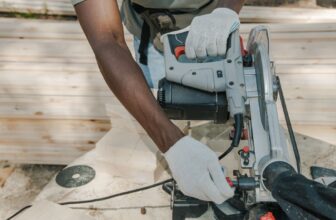
Cordless tools are convenient, but they need not replace every corded machine. For occasional, sustained work—such as long grinding sessions, demolition, or repeated heavy cuts—a corded tool can deliver steady power without requiring several large batteries. Safe use depends on selecting the correct extension cord gauge and length for the tool’s load.
Choose the cordless platform for tools used regularly. Keep rarely used, high-demand equipment corded when battery convenience would not justify another pack.
Judge the ecosystem, not the flagship tool
A homeowner platform earns its keep through useful options and low-friction ownership, not maximum jobsite performance.
Look for compact and high-capacity packs, sensible chargers, balanced handles, and manageable weight. In-store handling reveals more than specifications.
Prioritize likely additions—saws, sanders, lights, inflators, vacuums, and outdoor equipment—rather than counting specialist tools.
Consider bare-tool availability, nearby retailers, service access, warranty exclusions, and the brand’s record of maintaining battery compatibility.
A long compatibility history is encouraging, but not a promise. Keeping receipts, registering tools when required, and checking battery-specific warranty terms can prevent unpleasant surprises.
Ryobi ONE+: the sensible default
Ryobi ONE+ makes a persuasive first platform because its 18V battery format has remained unusually consistent. A homeowner can begin with a drill kit, then add bare tools without repeatedly paying for chargers and batteries.
The catalog extends well beyond workshop basics. Saws, sanders and nailers share the platform with inflators, lights, fans, cleaning equipment and selected garden tools. That breadth matters when the next purchase is something occasional—such as a glue gun or portable vacuum—rather than another core power tool.
For shelving, furniture assembly, repairs and moderate renovation work, ONE+ tools generally provide sufficient performance. Bare tools are widely available and often approachable, making gradual expansion practical.
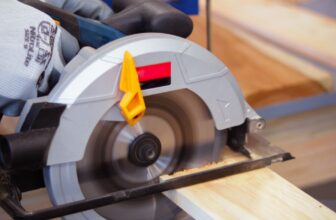
The compromise is refinement. Some models feel bulkier, louder or less polished than premium competitors, particularly beside compact professional tools. Ryobi also makes capable brushless models, but the platform is not the strongest choice for daily trade work or long, sustained high-load cutting and drilling. For occasional DIY, however, those limitations are usually easier to accept than a narrow ecosystem.
A practical starting point for a first cordless platform
This two-tool set covers drilling, screwdriving and faster fastening. The drill offers 515 in-lb of torque, two speeds, a 24-position clutch and a 1/2-inch ratcheting chuck; the impact driver delivers up to 1,800 in-lb through a quick-connect 1/4-inch collet.
Two compact 1.5Ah batteries, a charger and bag are included. The batteries keep the tools manageable, though larger packs are better for longer jobs.
DeWalt: built for bigger projects
DeWalt makes the most sense when the project list includes deck building, framing, substantial remodeling, or frequent workshop jobs. Its 20V MAX range covers the usual homeowner tools while leaving room for larger saws, grinders, nailers, and outdoor equipment.
Choosing a DeWalt pathway
- Atomic tools prioritize compact dimensions and lower weight. They suit cabinets, repairs, overhead work, and other jobs where access matters more than maximum output.
- XR generally signals higher-performance brushless tools, often with better runtime or more advanced controls. This is the practical target for regular renovation work.
- FlexVolt batteries automatically change voltage to support demanding 60V MAX tools while also operating in 20V MAX tools. FlexVolt tools, however, require FlexVolt batteries and are usually heavier.
The DCK240C2 drill-and-impact kit is a straightforward entry point rather than a premium showcase. Its compact 1/2-inch drill and 1/4-inch impact driver include LED work lights, two batteries, a charger, and a bag. The impact accepts one-inch bits for quick, one-handed loading.
DeWalt’s depth becomes valuable when projects grow in scope. For occasional picture hanging, furniture assembly, or a few repairs each year, however, the extra capability—and the cost of expanding into higher-tier batteries—may remain largely unused.
Milwaukee: depth for dedicated work
Milwaukee makes the most sense when home projects have a clear direction. Its catalog reaches beyond general drills and saws into tools aimed at mechanics, electricians, plumbers, and renovation work.
M12 is the compact 12-volt system. Small batteries and narrow handles suit cabinet installation, automotive access, and overhead jobs. The range includes practical specialist tools such as cordless ratchets, compact impact wrenches, inspection equipment, and installation drivers—often easier to handle than full-size alternatives.
M18 covers heavier work: framing, masonry, grinding, large fasteners, outdoor equipment, and demanding cutting. These tools generally provide more runtime and output, but larger batteries add weight and can feel excessive for occasional household repairs.
Fuel is not a separate battery platform. It identifies Milwaukee’s higher-performance brushless models within M12 or M18, typically with stronger electronics and better output under load. Fuel tools are most worthwhile when a tool sees regular use or compact power matters; standard models can be sufficient for lighter tasks.
The trade-off is commitment across two voltages and a range that can encourage highly specific purchases. Milwaukee is strongest for serious hobbyists, frequent renovators, or homeowners building around a specialty rather than assembling the broadest low-cost household collection.
Makita and Bosch: refinement over sheer reach
Makita’s 18V LXT platform is mature, broad and notably well balanced. Its drills, impact drivers, saws and sanders often feel composed rather than aggressively powerful, with dependable construction and batteries that do not make compact tools unnecessarily awkward. LXT covers most renovation and garden needs, although Makita’s separate XGT range makes the long-term upgrade path less unified than it first appears.
Bosch stands out for ergonomics. The 12V Professional tools are compact enough for furniture assembly, cabinetry and overhead work, while the 18V line handles more substantial drilling and cutting. Slim grips and tidy proportions can matter more during a weekend project than a long list of specialist bare tools.
Neither brand has the most obvious homeowner value proposition. Promotions, bundles and household-tool variety may be less compelling than those of mass-market rivals, while Bosch availability—and even which Bosch range is stocked—can vary considerably by region.
Before committing, it is worth handling both brands in person and checking nearby retailers for batteries, bare tools and service support. A comfortable tool with reliable local availability is often a better choice than the largest catalog on paper.
Four practical alternatives
A “lifetime” promise may be a service agreement, not an unlimited warranty. Confirm the registration deadline, original-purchaser rule, receipt requirements, battery eligibility, exclusions, and whether shipping or inspection is covered. Tool and battery terms may differ.
Make the next five purchases the test
Write down the next five likely purchases before comparing specifications. A sander, inflator, hedge trimmer, and other household tools favor breadth; a rotary hammer, grinder, nailer, and high-output saw favor trade depth. If most fit one platform, it is probably broad enough.
- Occasional repairs and varied household jobs: Ryobi, Craftsman, Kobalt, and Hart generally prioritize range and affordability over premium refinement.
- Regular remodeling: DeWalt, Makita, and Ridgid provide strong core selections for cutting, fastening, and renovation work.
- Compact or specialized work: Milwaukee offers exceptional trade-specific depth, while Bosch and Makita often appeal when grip shape, balance, and low bulk matter.
Project frequency changes the value calculation. Premium tools can reward regular use through better control and lower fatigue, but occasional work rarely requires maximum output. Handles should be tried in person because battery placement can transform an otherwise comfortable tool.
Battery capacity should match the task. Two compact packs keep drills, drivers, and overhead tools manageable; one or two larger packs better suit saws, grinders, and outdoor equipment. Fast charging matters mainly when battery turnover interrupts work.
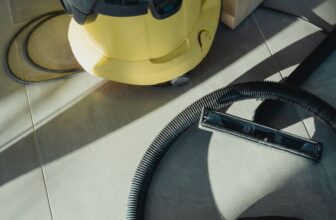
Cleanup belongs in the plan as well. Sanders and saws become far more pleasant when connecting power tools to a shop vac is straightforward, with suitable adapters, filters, and hose routing. The best commitment balances likely projects, comfortable runtime, and dust control—not headline specifications.
-
Choose the battery ecosystem first
Check the range, battery availability, service options, and likely future tools before comparing individual drill specifications.
-
Start with a drill-and-impact-driver kit
A compact battery keeps drilling comfortable, while a medium-capacity pack provides better runtime for the impact driver and later tools.
-
Add bare tools project by project
Buy a saw, sander, light, or garden tool only when a real job justifies it. This keeps the collection useful rather than merely large.
-
Use Ryobi as the practical baseline
For most household repairs, furniture projects, and garden work, ONE+ offers a broad range with generally capable performance.
-
Add another platform only with a reason
DeWalt or Milwaukee may justify separate batteries when heavier renovation work, compact professional-grade tools, or a specialized trade tool provides a clear advantage.
Beginners benefit from learning drill controls, bit selection, and safe technique before expanding the kit.
- Battery convenience usually matters more than small differences between comparable tools.
- Corded or rented equipment can cover rare, sustained high-load jobs.
Commit gradually. A well-chosen starter kit, sensible battery sizes, and project-led bare-tool purchases create a lower-risk collection than buying a large bundle upfront.